









EU Sustainability “OMNIBUS” reform
Directive (EU) 2026/470 amending the Corporate Sustainability Reporting Directive (CSRD) and the Corporate Sustainability Due Diligence Directive (CSDDD/CS3D) was published on 26th February 2026, in the Official Journal of the European Union. The Omnibus I Directive will enter into force on 18th March 2026. Member States must transpose its provisions […]
Unpacking Scope 3: Category 13 – Downstream leased assets
GHG Scope 3 Downstream activites | Category 13 – Leased assets In this blog article we’re going to help understand the carbon emissions caused by assets that your organisation owns but others operate. Some companies generate revenue not by selling assets, but by leasing them. In these cases, greenhouse gas […]

Integrating ESRS with GRI Standards: Streamlining Sustainability Reporting
Organisations already reporting under the Global Reporting Initiative (GRI) Standards are well positioned to implement the European Sustainability Reporting Standards (ESRS). This is largely due to the close collaboration between GRI and the European Financial Reporting Advisory Group (EFRAG) during the development of the ESRS, which ensured a high level […]

Unpacking Scope 3: Category 12 – End-of-life treatment of sold products
GHG Scope 3 Downstream activites | Category 12 – End of life treatment of sold products Accounting for emissions from disposal, recycling and waste Every product eventually reaches the end of its usable life. Whether it is recycled, incinerated, landfilled or dismantled, its disposal generates GHG emissions. Scope 3 Category […]

Net zero and business value
Earlier this year our colleague Anna Rinaldi attended the Net Zero Summit in London, bringing together industry experts to discuss some of the most pressing challenges and opportunities in the transition to a low-carbon economy and to shape the next direction of travel for every business in the UK and […]

Unpacking Scope 3: Category 11 – Use of sold products
GHG Scope 3 Downstream activites | Category 11 – Use of sold products Understanding emissions generated during the lifetime use of your products Article 19 of our Carbon Clarity series curated by Rutuja Dongare is about the climate impact that occurs outside of an organisation’s offices and factories, but takes […]
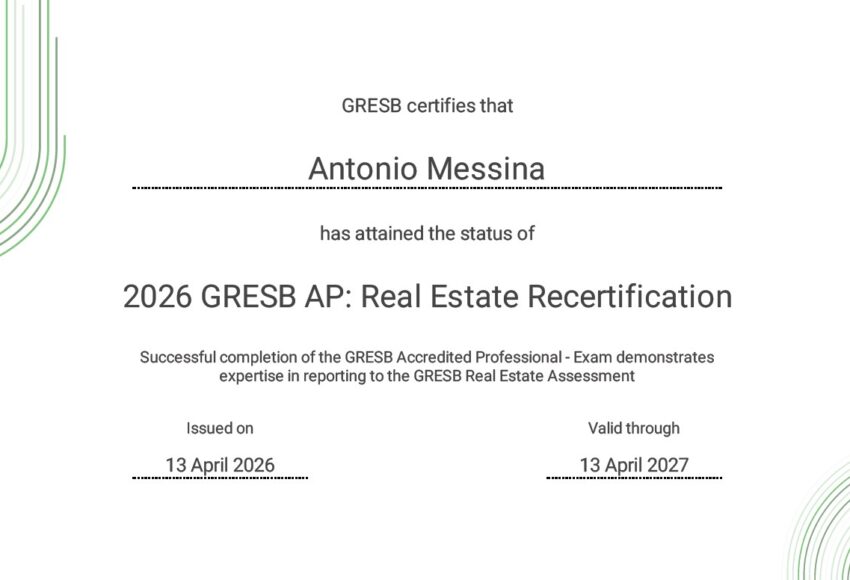
Top 5 lessons learned at the GRESB AP exam
For some of us striving for excellence is not an operational choice, it simply defines who we are. Here at E.S.G. Solutions everybody involved in the delivery of our Clients’ GRESB projects has to demonstrate their competence in this benchmarking tool, regardless of their position within the company. Our Managing […]

Double materiality in sustainability reporting
Following on from her blog article published earlier this year about sustainability reporting, our Senior Consultant Anna Rinaldi has now shared with us her views also about double materiality. Double materiality is a key concept in sustainability reporting, recognising that sustainability issues are relevant from two distinct perspectives: impact materiality […]
Unpacking Scope 3: Category 10 – Processing of sold products
GHG Scope 3 Downstream activites | Category 10 – Processing of sold products Understanding emissions created when your product is transformed by others When companies think about their carbon footprint, they often stop at the point of sale. But for many industries the story does not end there. Some products […]