







- March 31, 2026
A stroll around our City office: visiting St. Paul’s
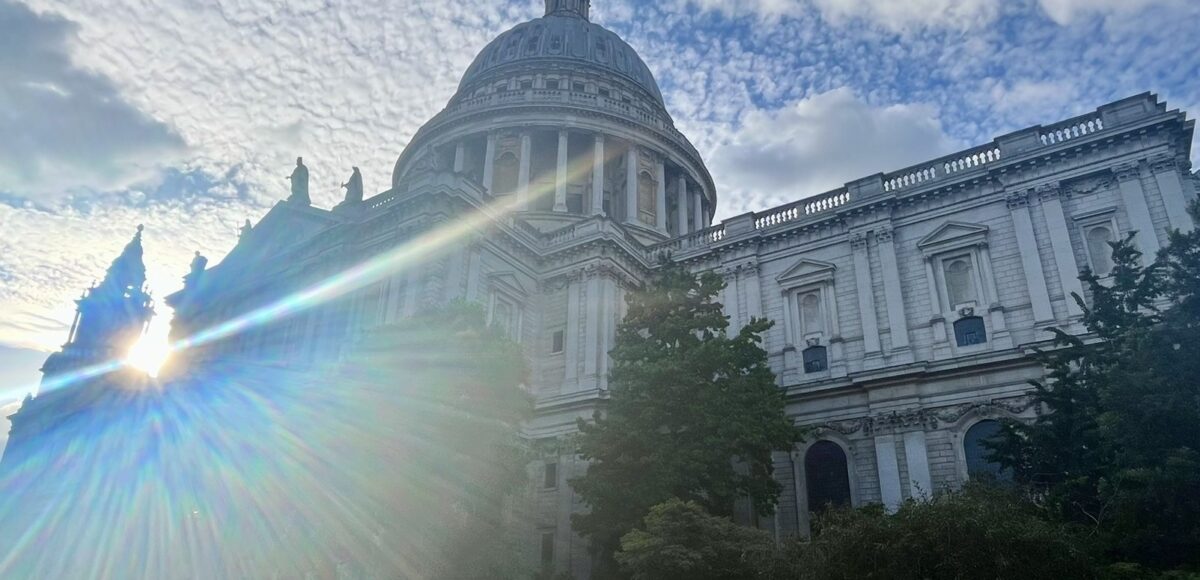
Every quarter our London-based team takes a few hours off duty to spend some quality time together on activities and tasks that we enjoy or care about. Last week we took full advantage of a glorious Spring day and visited our local little church, St. Paul’s Cathedral!
Our City office (Tallis House) is located within the City of London, the so called square mile because it covers an area of just 1.12 mi2, making it the smallest “city” in the UK with less than 10,000 residents. However more than half a million commuters operate from here, making it also one of the world’s leading financial centres with over 500 banks having their offices here, together with the major global insurance companies and law firms. The City of London (“the City”) accounts for approximately 3% of the national GBP and, although many associate it with the most modern skyscrapers in the capital, this is actually the birthplace of London, established by the Romans around 47 AD as “Londinium”.
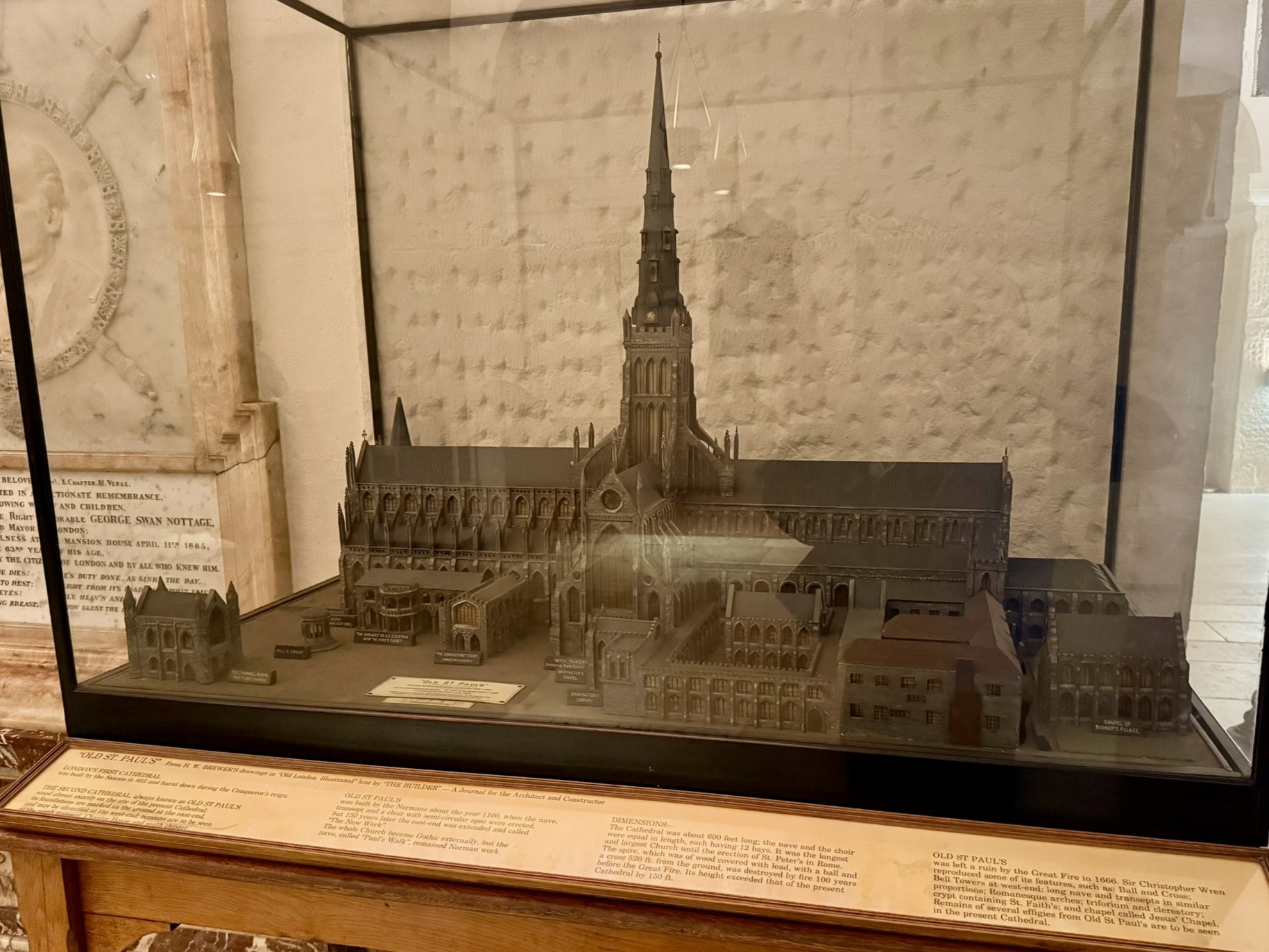
Perched on top of Ludgate Hill at the heart of the City, this is the fifth cathedral to stand on this spot where the Romans are said to have built a temple dedicated to Diana, twin sister of Apollo, a Roman goddess who – similarly to her Greek counterpart Artemis – was the partoness of the countryside and nature, hunters, wildlife, childbirth, chastity, crossroads, the night and the Moon. The first cathedral, made of wood, was consecrated in 604 AD by England’s first Christian king, Ethelbert of Kent. The second was built in stone and burned down by the Vikings in 962. The third was Saxon, destroyed by fire in 1087, and the forth (“Old St. Pauls”) was built by the Normans over a 200-year period, becoming the longest (180m) cathedral in England, with a spire completed in 1315 that was 149m high (see image below, taken from a model located in the crypt).
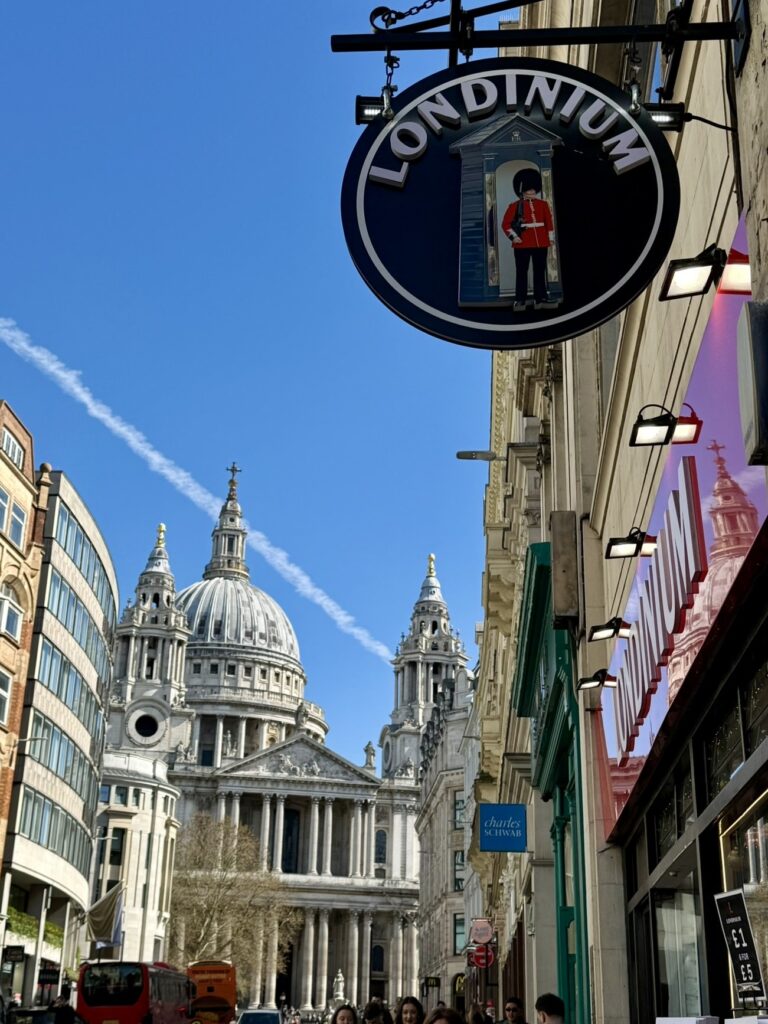
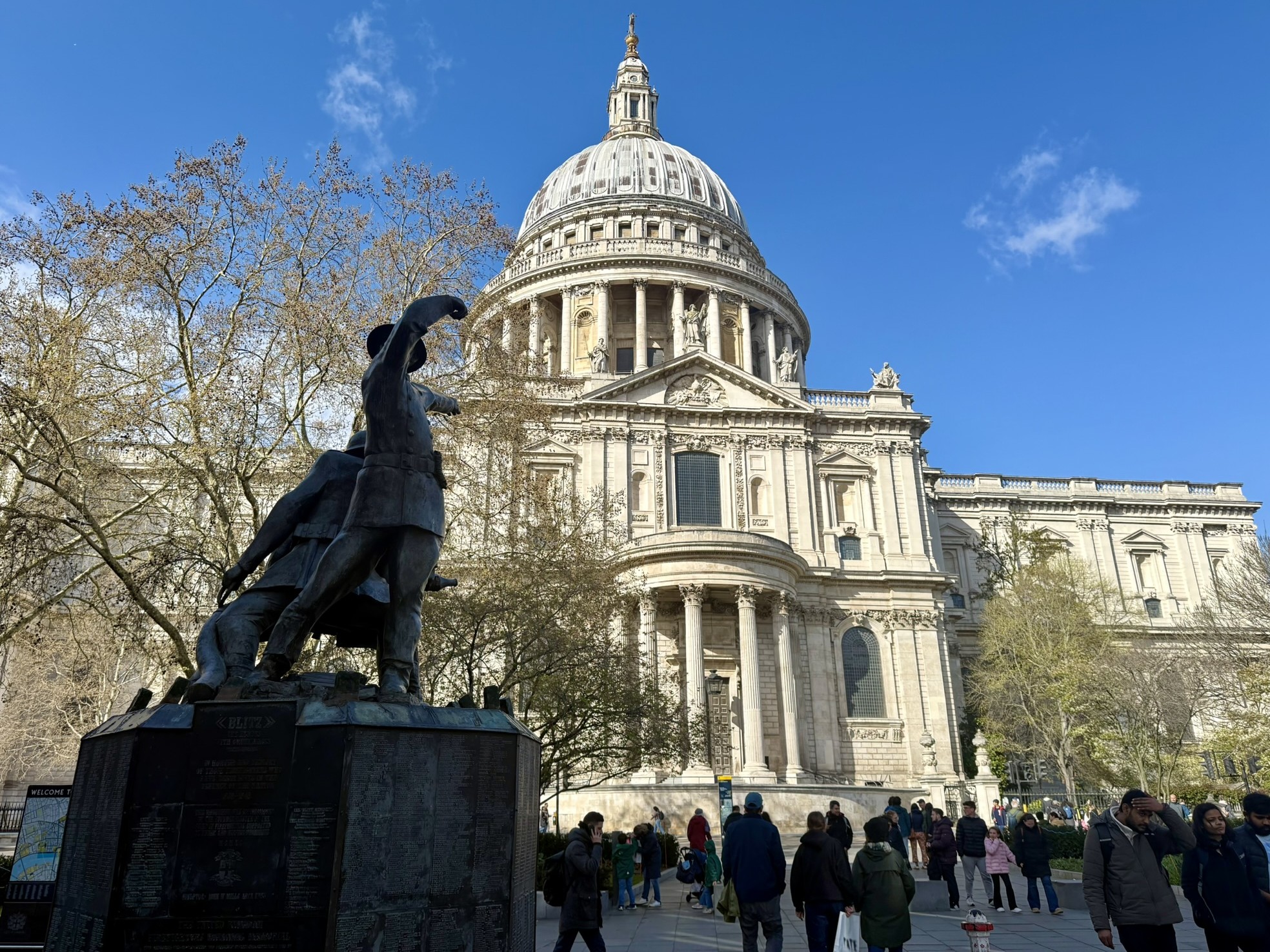
The current building is the only domed cathedral in Englang and was designed by Sir Christopher Wren after the Great Fire of London in 1666 completely destroyed the previous one. He was appointed “Surveyor of Works” at a very young age and with only a few projects in his CV (including the Sheldonian Theatre in Oxford and the Pembroke Chapel in Cambridge) when the City of London had to be recontructed in 1669. This was an herculean task that was going to occupy the rest of his professional life, with the responsibility of recreating many buildings that are still standing today e.g. the Royal Exchange, the Royal Navy College, Drury Lane Theatre, Chelsea Hospital, the Monument, approximatively 30 of the 85 churches burned down, etc.
While picking through the ruins of the old church, he came across part of a shattered tombstone, on which was carved the Latin word resurgam (“I shall rise again”). On 21st June 1675 he placed that stone to mark the centre spot of the new dome and if you check the pediment of the south door you may read the same word sculpted underneath a phoenix rising from the flames. The new cathedral took approximately 35 years to build from its foundation stone, which is unheard of considering that cathedrals of this size used to take centuries to be built and their architects didn’t usually see their completion within their lifetime.
The design of this anglican cathedral has its roots in the grand architecture of the Renaissance and the Baroque. The majestic dome is 37m wide and the golden cross stands at 111m, making it the tallest building in London from 1710 to until 1963, when Citypoint was built in Ropemaster Street (“Britannic Tower”, home of British Petroleum). In order to provide a visually adequate substructure on which to place such a large dome, Wren doubled the apparent height of the building by raising false screen walls on top of the aisle walls all around the cathedral. This also enabled him to conceal the flying buttresses that support the vault of the quire as well as giving the whole building a Classical feel. The transepts’ semi-circular entrance porticos were inspired by the Baroque facades of Santa Maria della Pace and the Chiostro del Bramante, both in Rome.
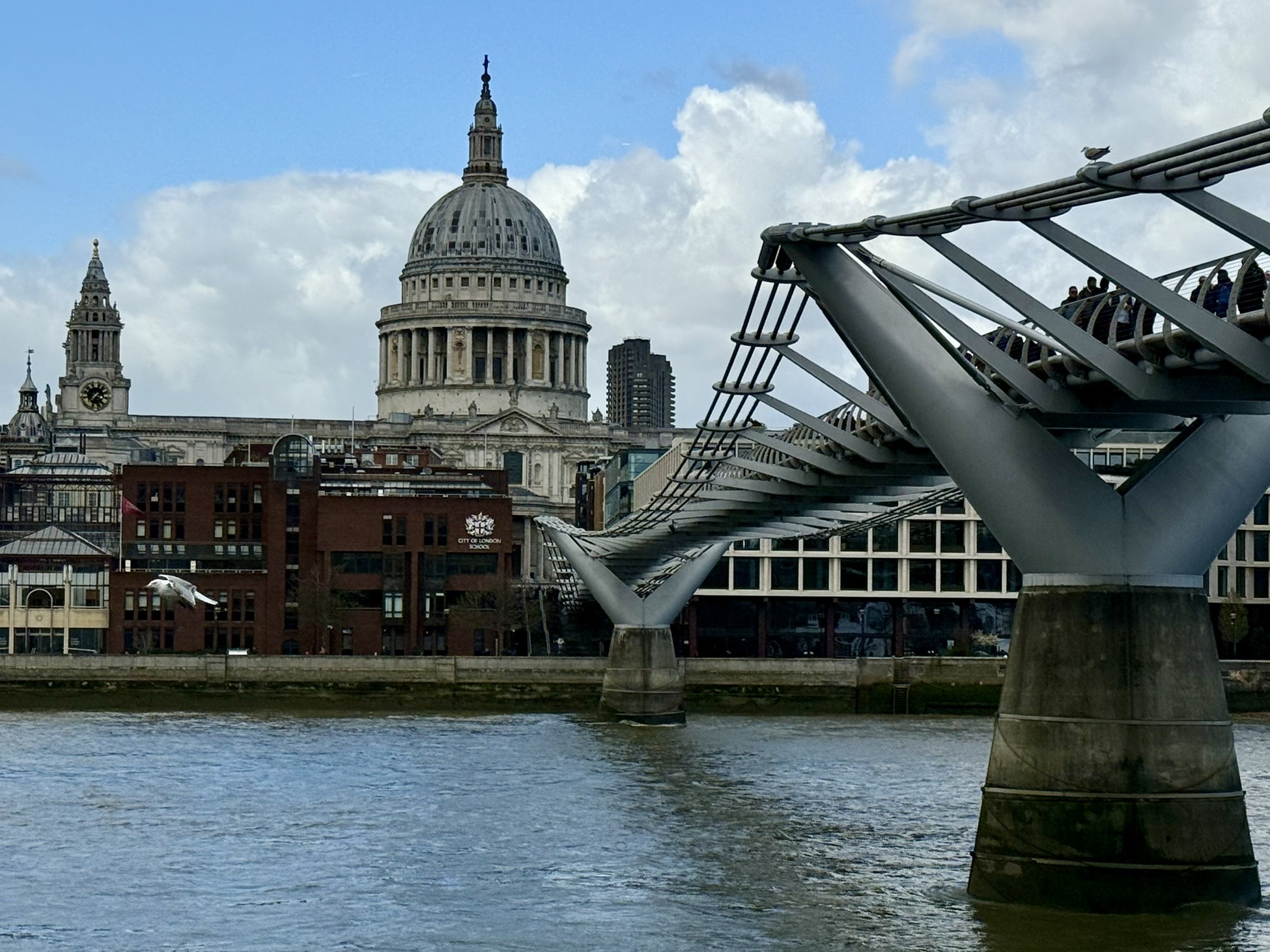
The architect chose to live in a house on the south bank of the river to oversee the costruction site and he was 78 years old when the final stone of the outer dome, timber-framed and covered by lead, was placed. He is said to be hauled up the 528 steps to the top in a basket once a week to survey the works!
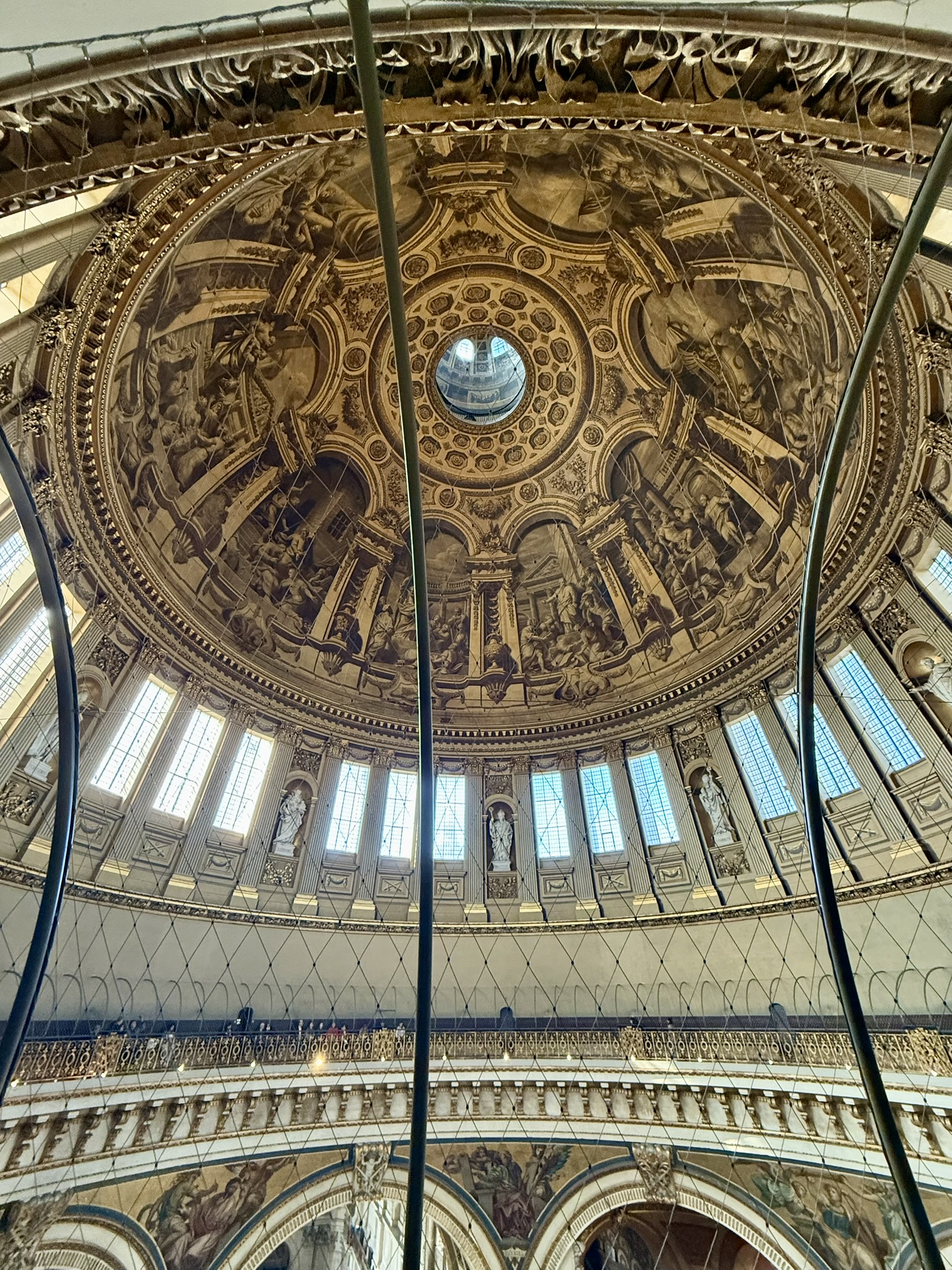
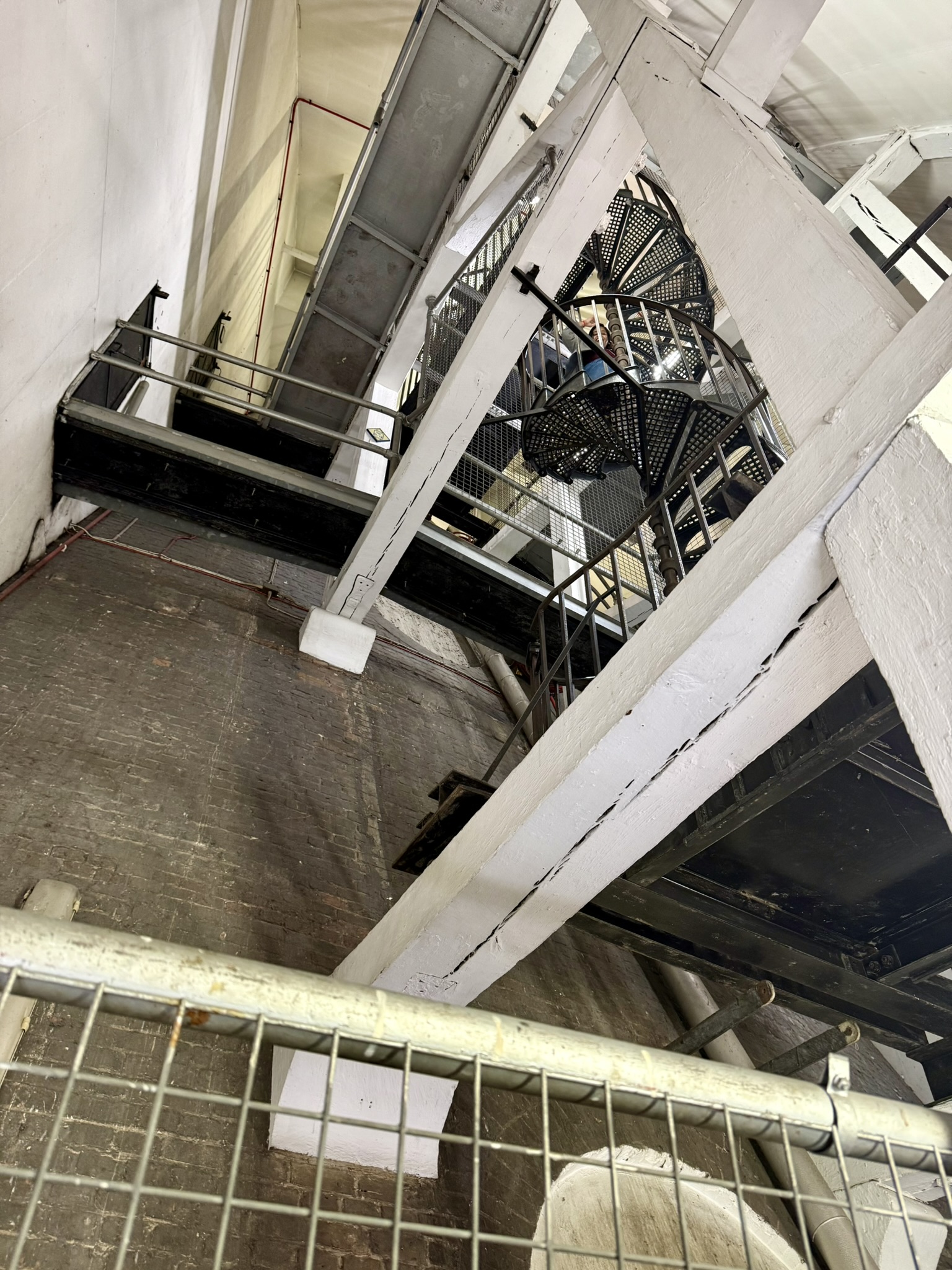
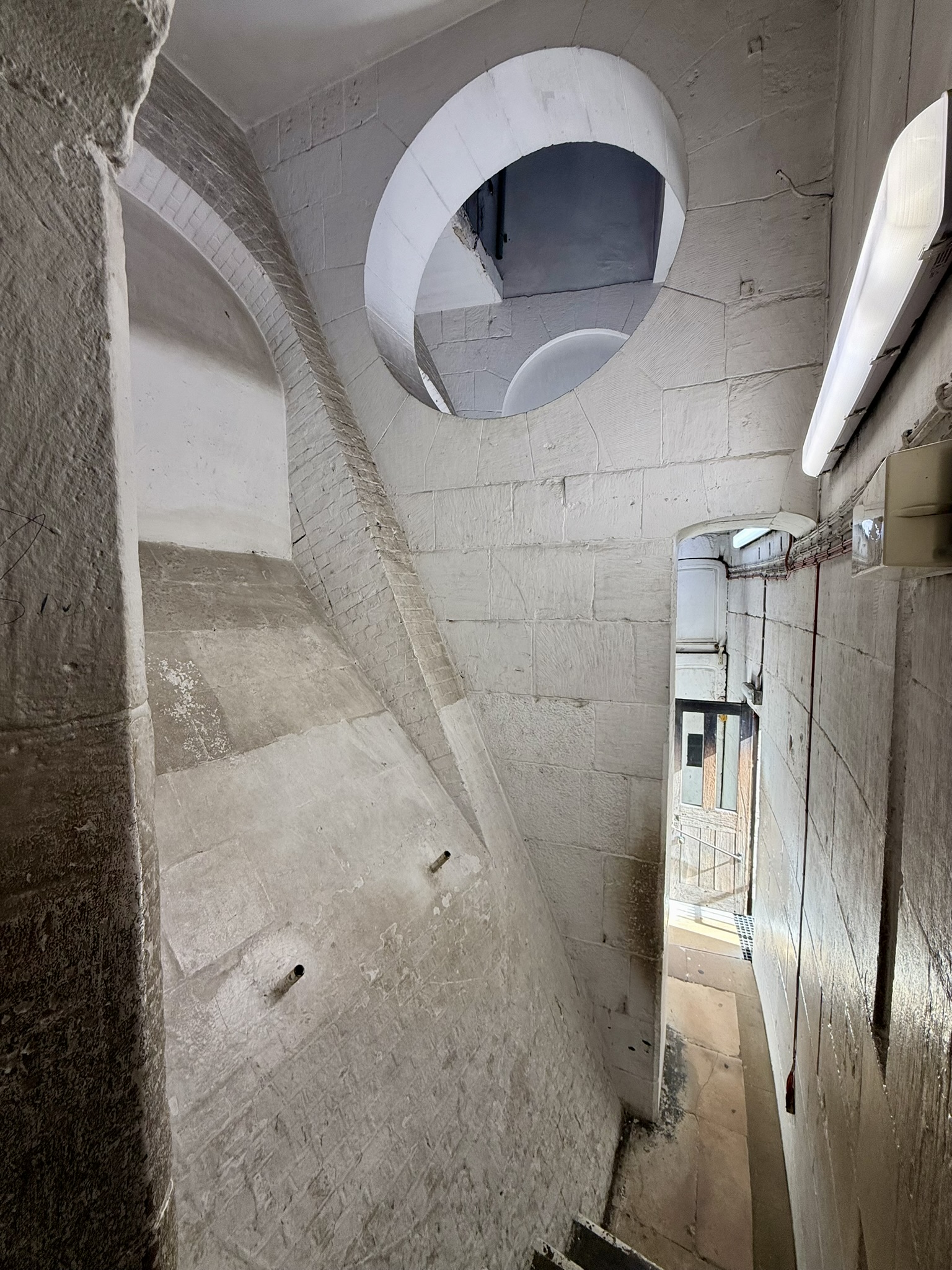
Similarly to the Duomo in Florence (Santa Maria del Fiore, Brunelleschi) and the Basilica in Rome (San Pietro, Michelangelo), the inner dome is not what you see outside. In fact, Wren had to build also a third dome as a middle layer – a brick cone reinforced with iron chains at its base – to support the 7-tonnes ball and cross on top. The fresco artwork painted by Sir James Thornhill shows eight scenes from the life of St. Paul: it had to be monochrome because anything more colourful than black and white could have been seen as “too catholic” appartenly. At the apex of the dome is an oculus – inspired by another Roman masterpiece: the Pantheon – through which visitors can appreciate the decorated inner surface of the cone which supports the lantern. This upper space is lit by the light wells in the outer dome and openings in the brick cone.
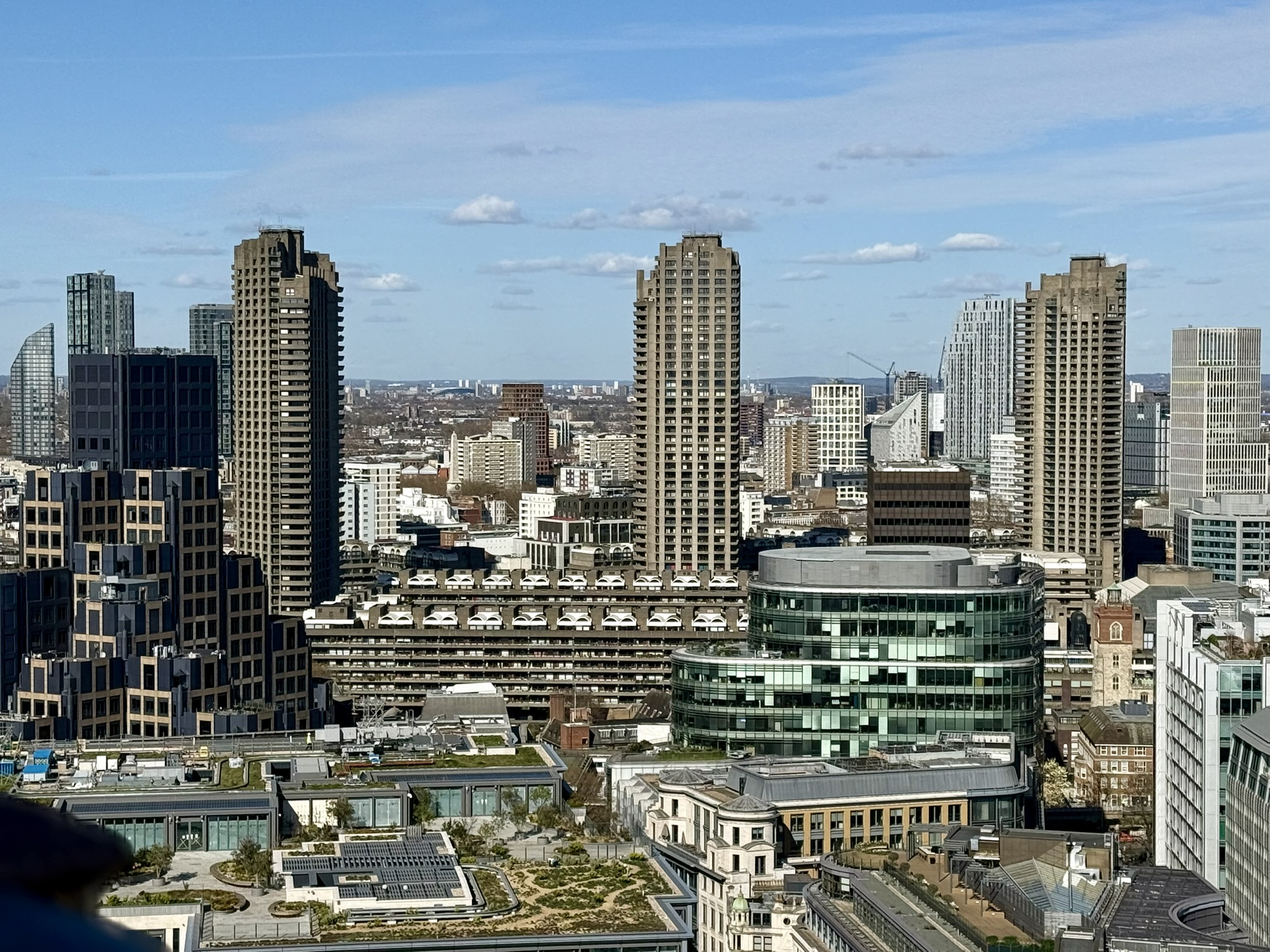
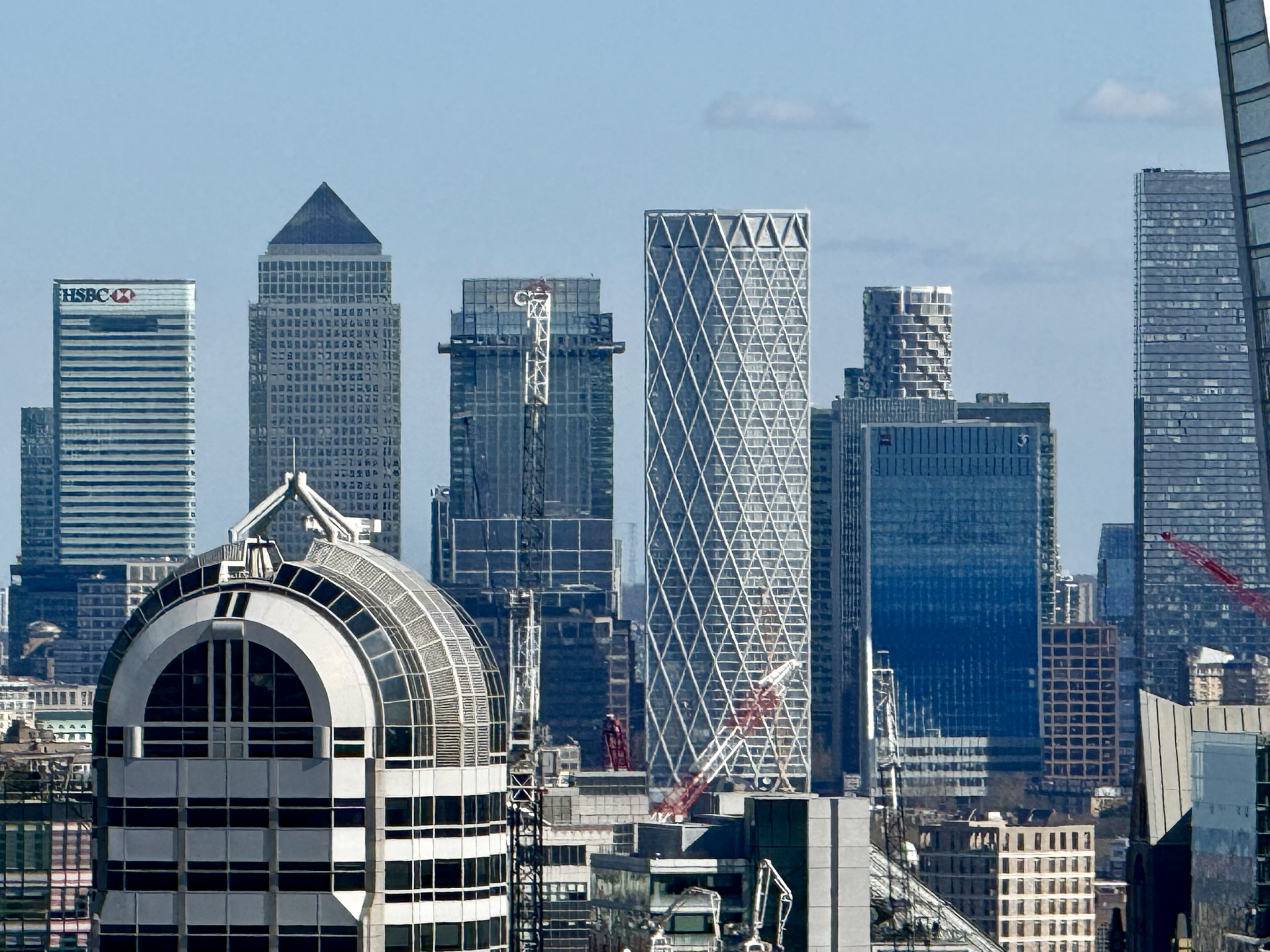
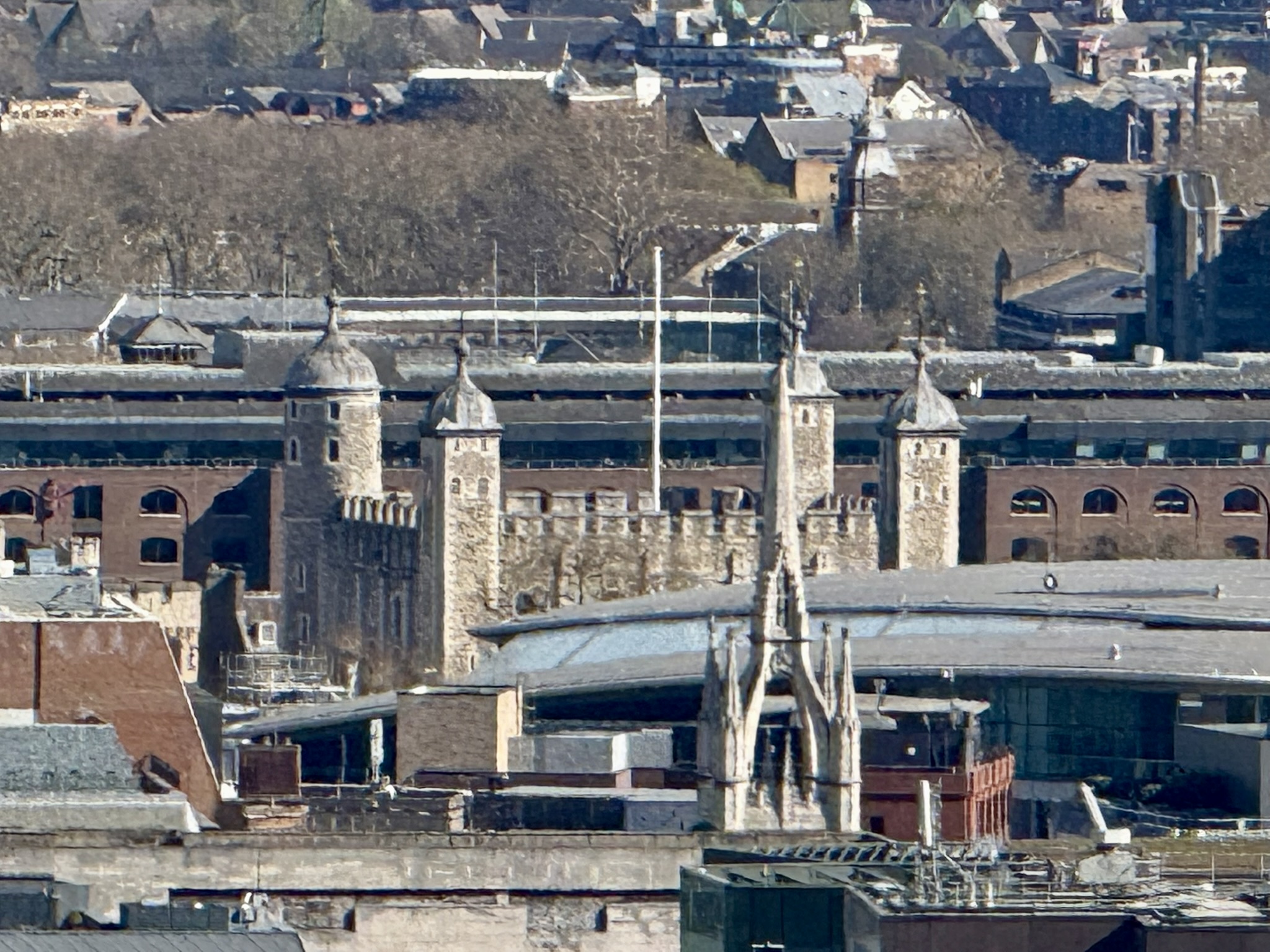
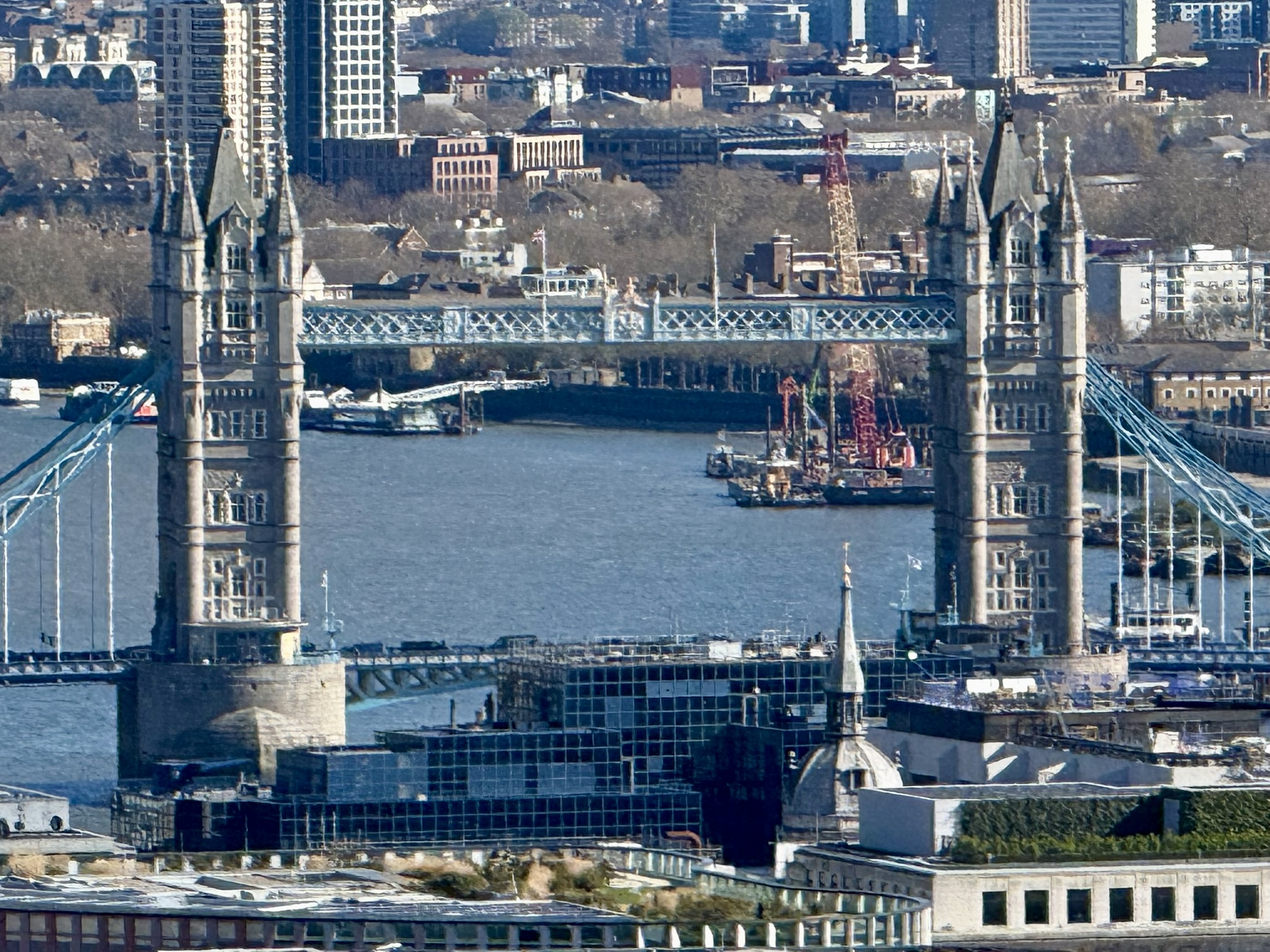
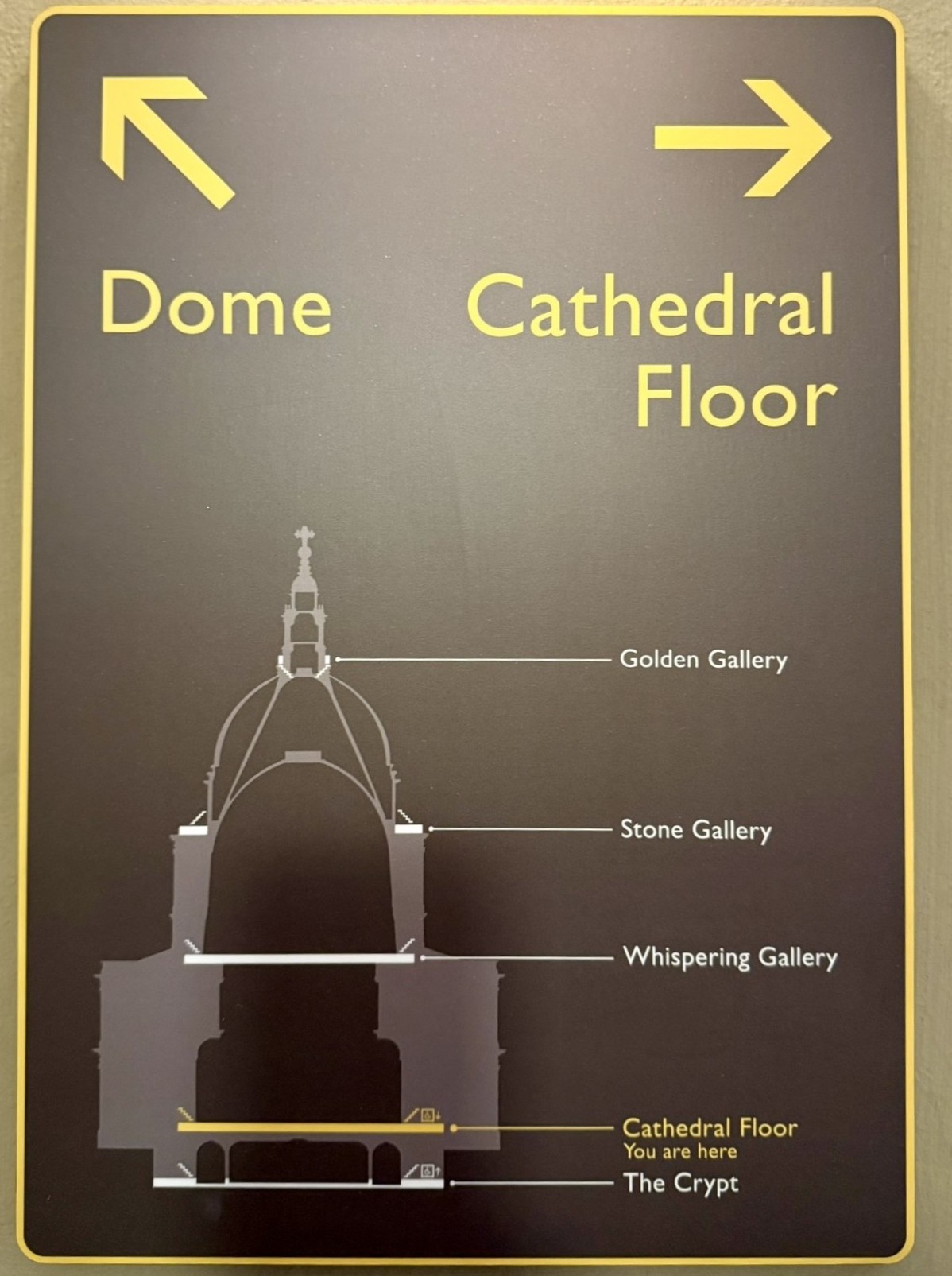
The walkway located at 30m above the cathedral floor (257 steps) is known as Whispering Gallery, so named because apparently a whisper on one side can be heard quite clearly on the other side, 34m away. A further climb takes the visitors to the Stone Gallery (376 steps) and finally to the Golden Gallery, with great 360° views on London!
Some of us had already memories of the wartime phographs showing St. Paul’s dome standing defiant proud among the destruction, rubbles, fires and smoke around it, but we learned that during the German blitz in the 1940s (click here for a youtube video about it) a series of bombs hit so severely the cathedral that the whole structure was shifted by 5cm before settling down again in its spot, and we need to thank the Great Restoration works in the mid-1920s if the church and its dome are still standing in the City nowadays!
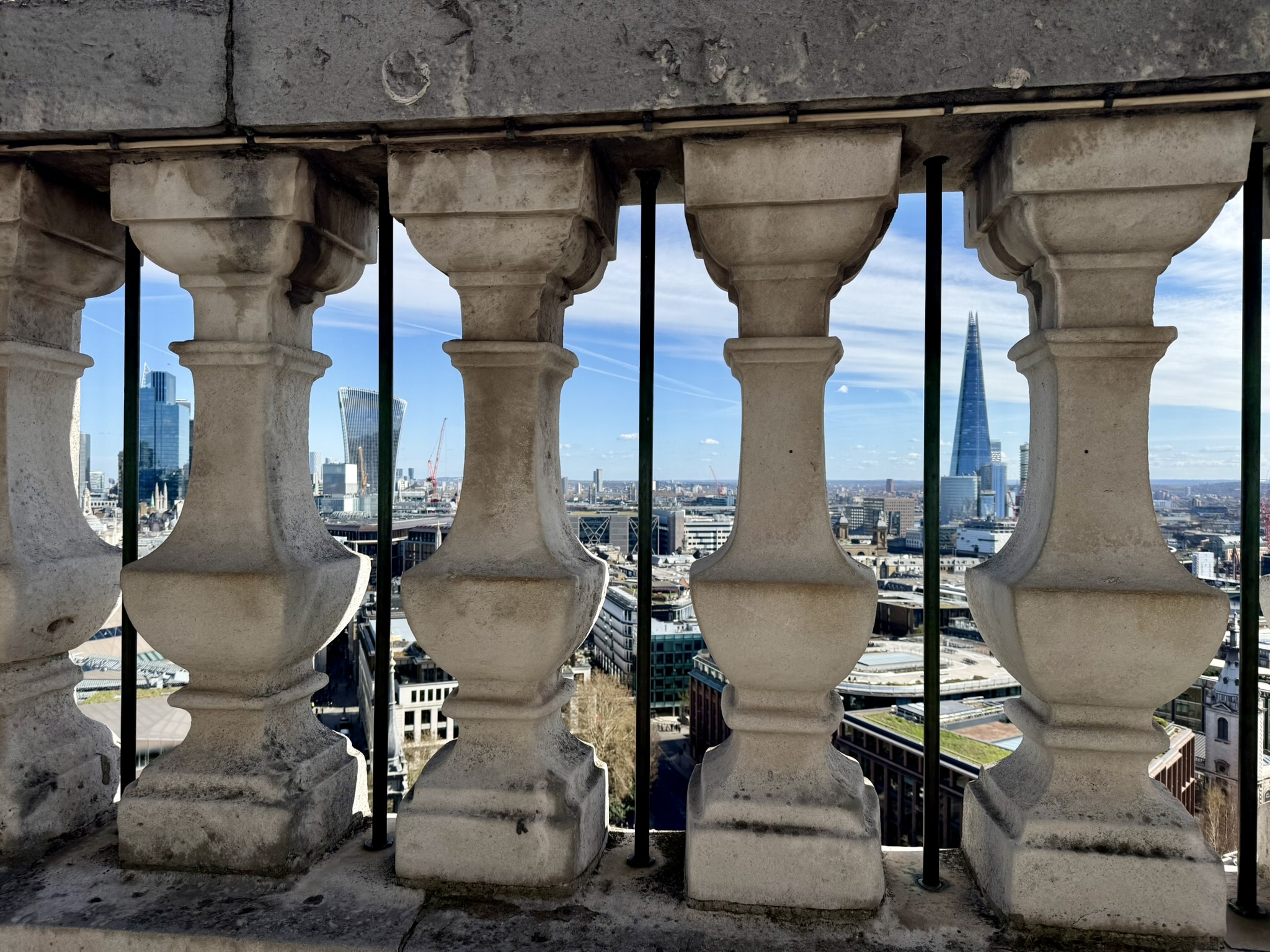
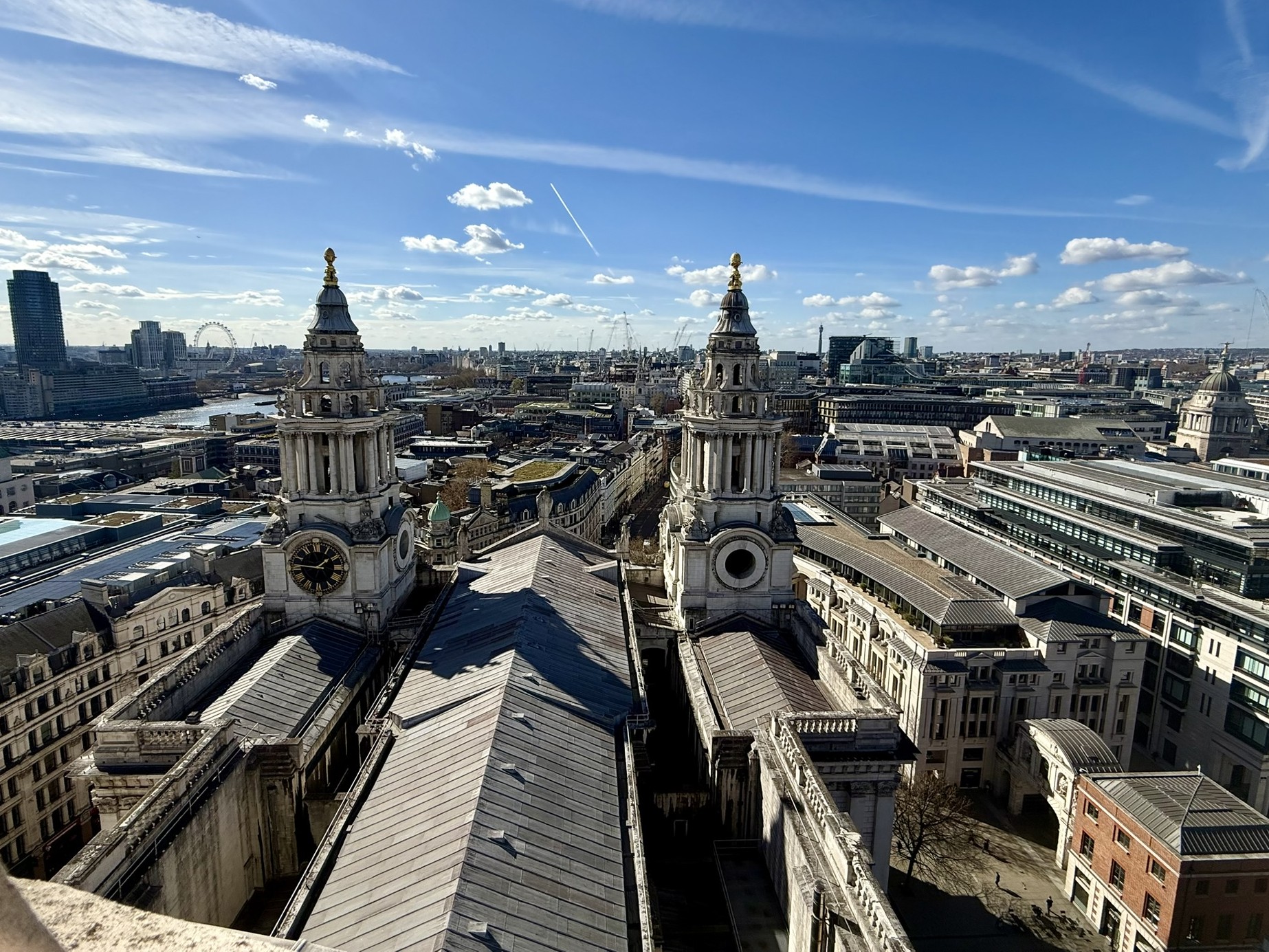
The two towers at the west (front) entrance were completed in 1707 and are topped by pineapples, symbol of peace and prosperity.
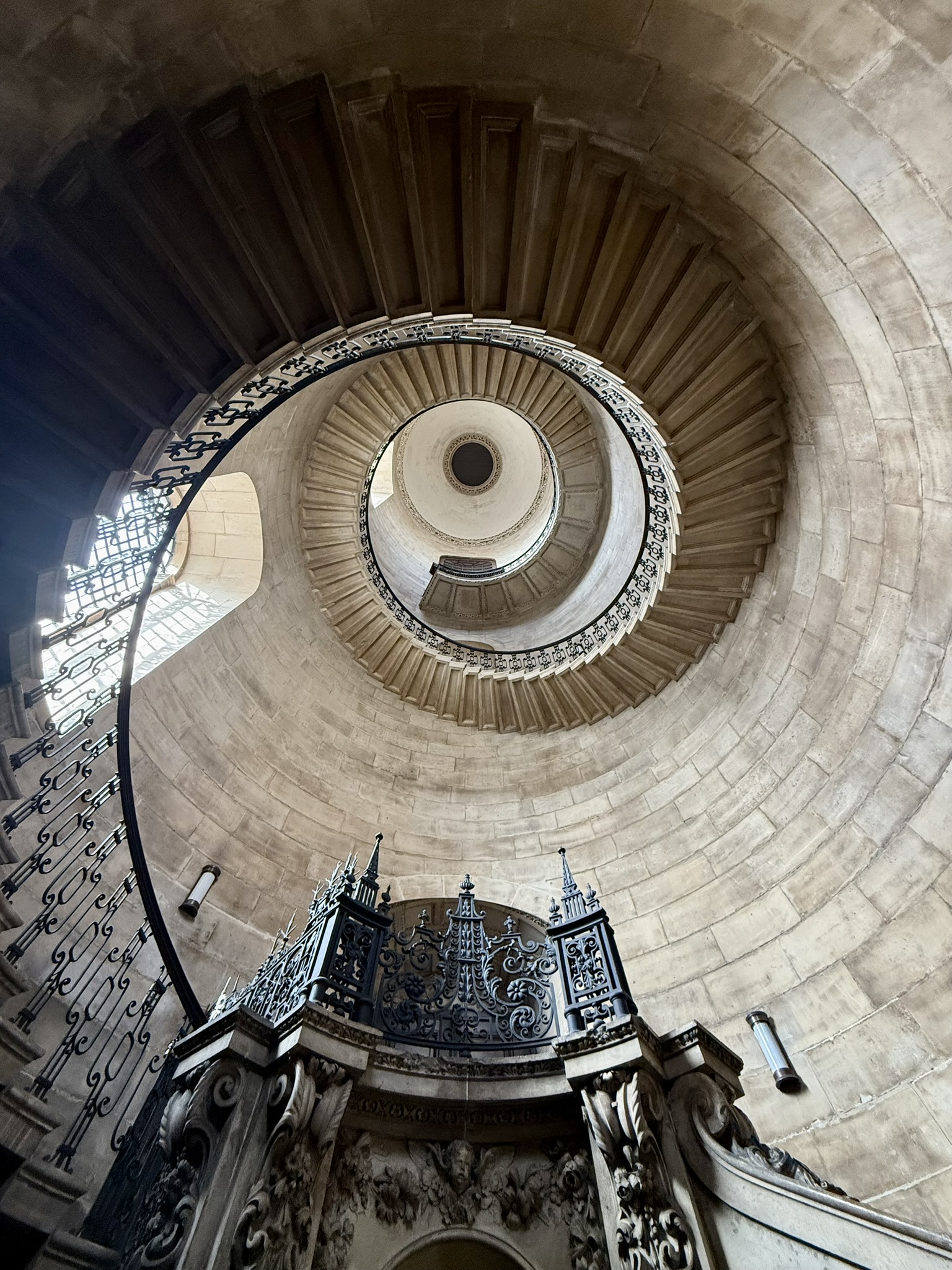
We visited the splendid Geometrical Staircase in southwest tower, a helical cantilevered masterpiece made of 90 spiralling steps leading up to the cathedral library, used for the setting of Harry Potter’s films. Wren, Oxford educated and born in an established clerical family with many family members buried close to him, was also a mathematician, physicist and professor of astronomy at Gresham College. He had some fun in building a self-sustained series of well-designed steps which are only embedded 15cm into the walls because their weight is carefully passed down all the way to the heavy stone structure at the bottom that bears all the load above!
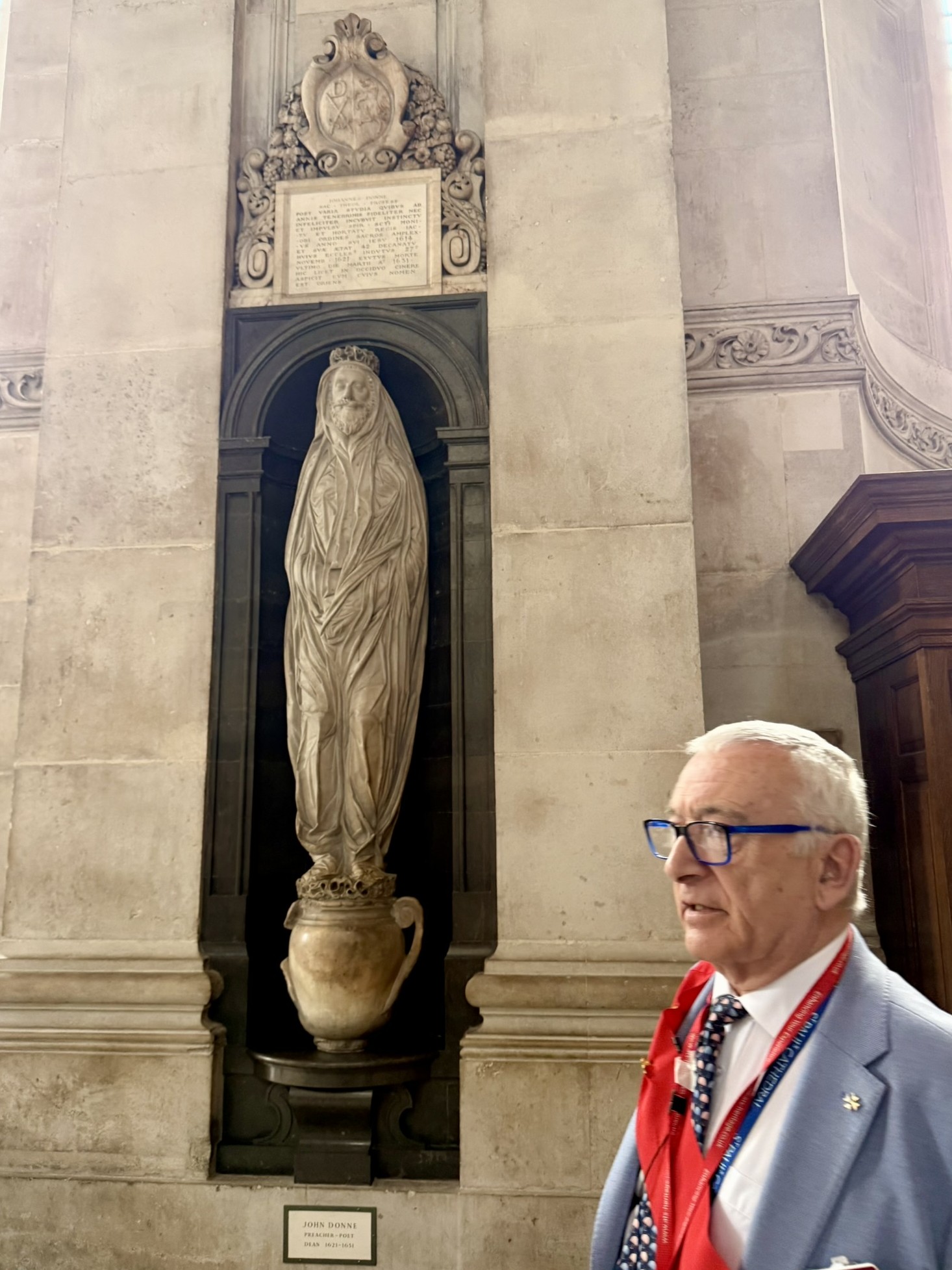
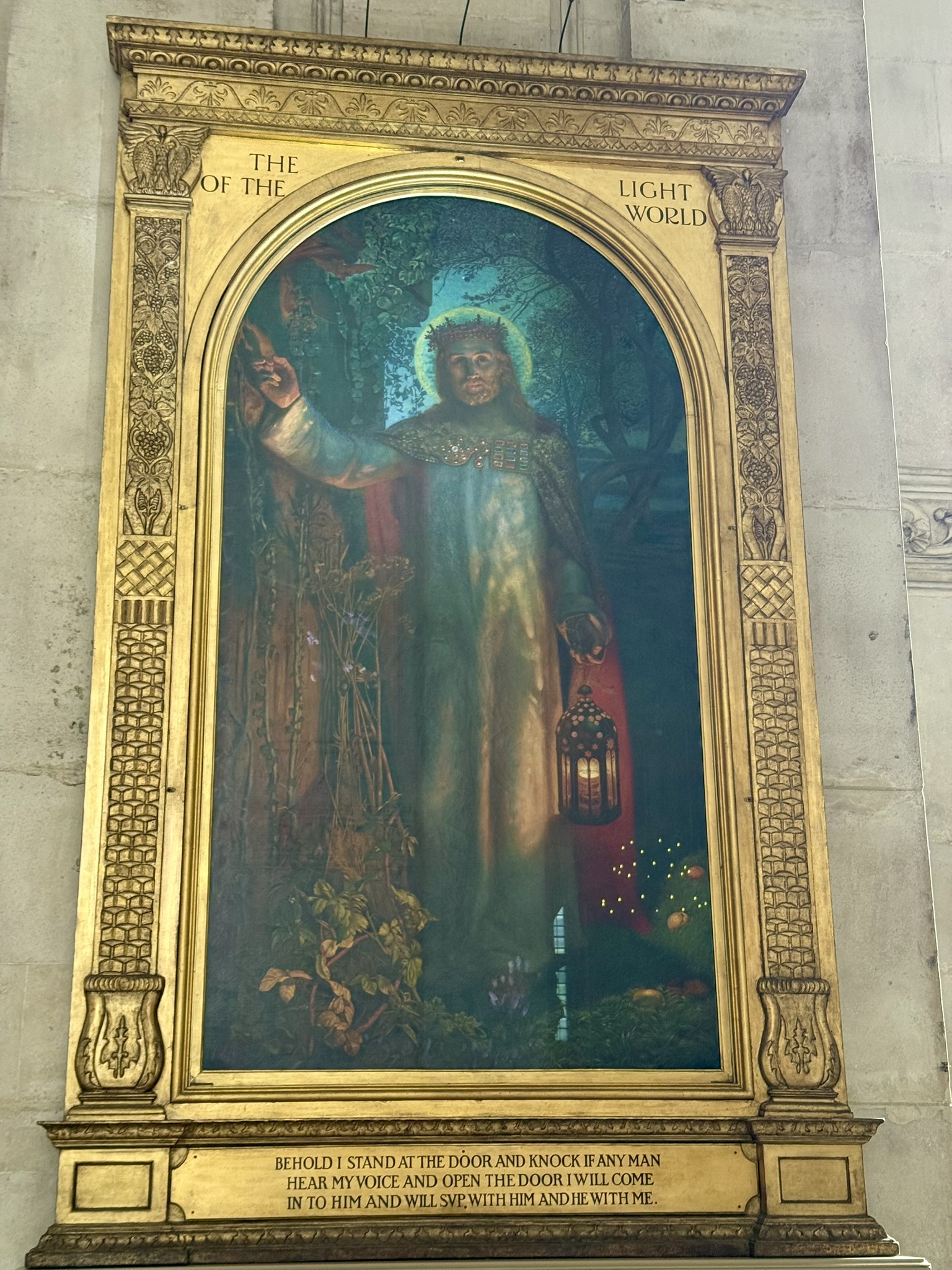
Among the monument and artwork that got our attention we would like to mention the statue of the poet John Donne, Dean of St. Paul’s from 1612 to 1631 (“no man is an island”), the only monument from Old St. Paul’s to survive the Great Fire, and the allegorical painting by Pre-Raphaelite artist William Holman Hunt “The Light of the World”. We learned that Pope Benedict XVI was particularly moved when he saw it: it’s full of symbolism and represents the figure of Jesus preparing to knock on a long-unopened door, which represents the human soul. Note the lack of external handle, the rusty nails and its hinges overgrown with ivy, which are intended to show that it has been shut for quite some time, with the figure of Christ asking for permission to enter.
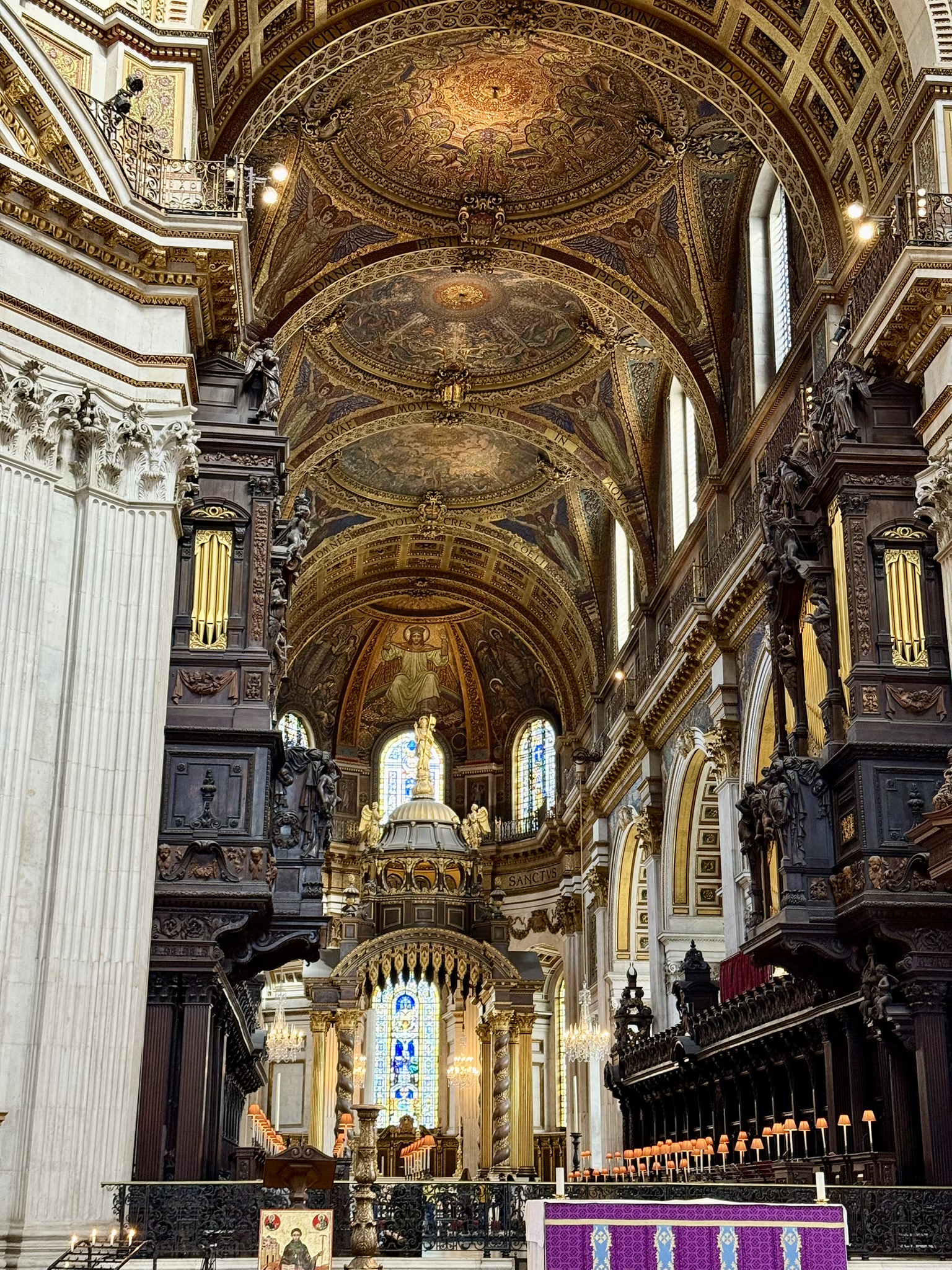
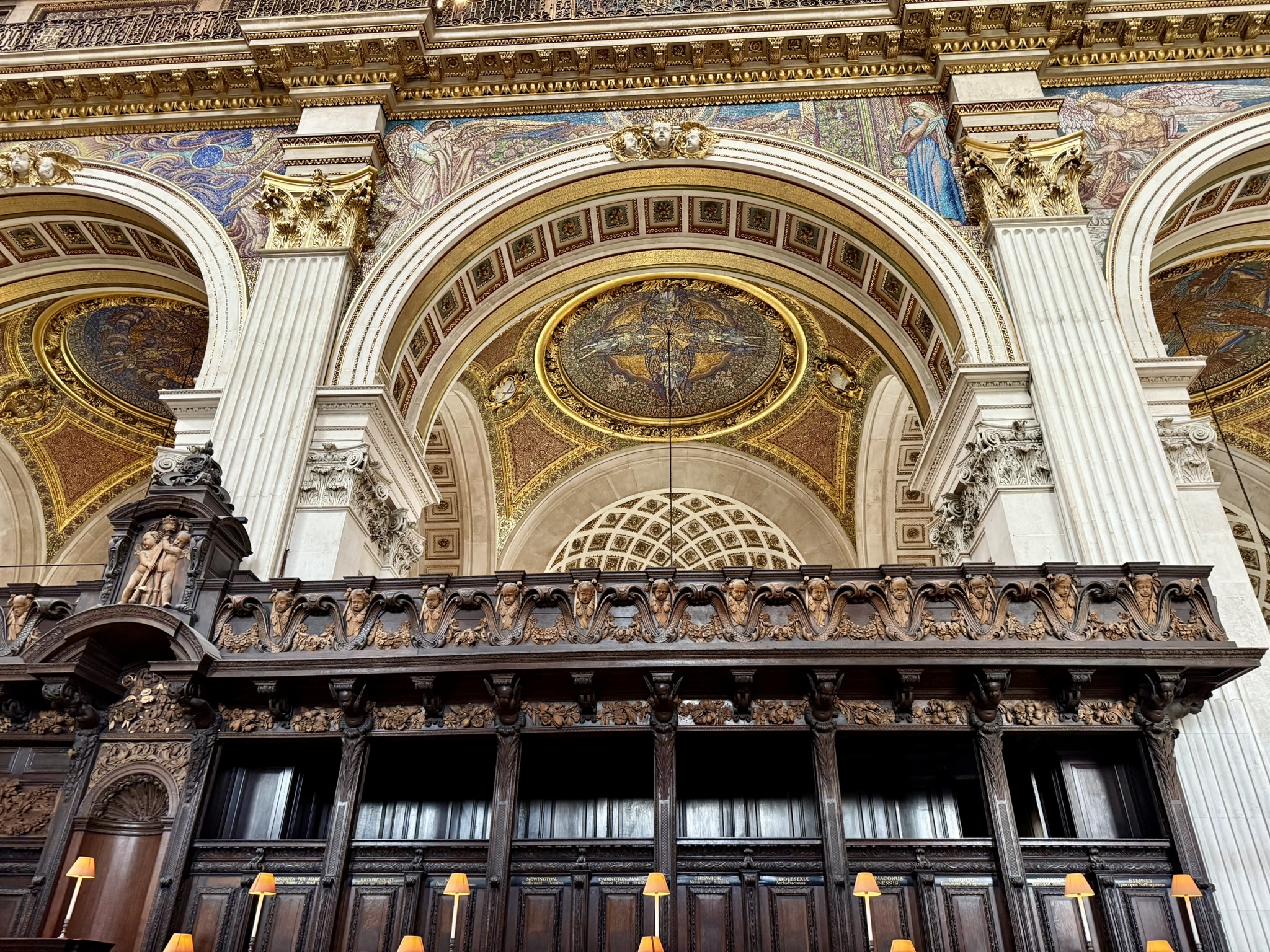
The interior of the cathedral is superbly adorned with colourful mosaics, decorations provided by the choir stalls (it took Grindling Gibbons, a renowned wood carver from Rotterdam, a few years to complete them) and eleborate iron gates courtesy of the master metal worker Jean Tijou, one of the Huguenots who had to flee from France as refugees and settled in East London. Both Gibbons and Tijou also worked on Hampton Court Palace in those years.
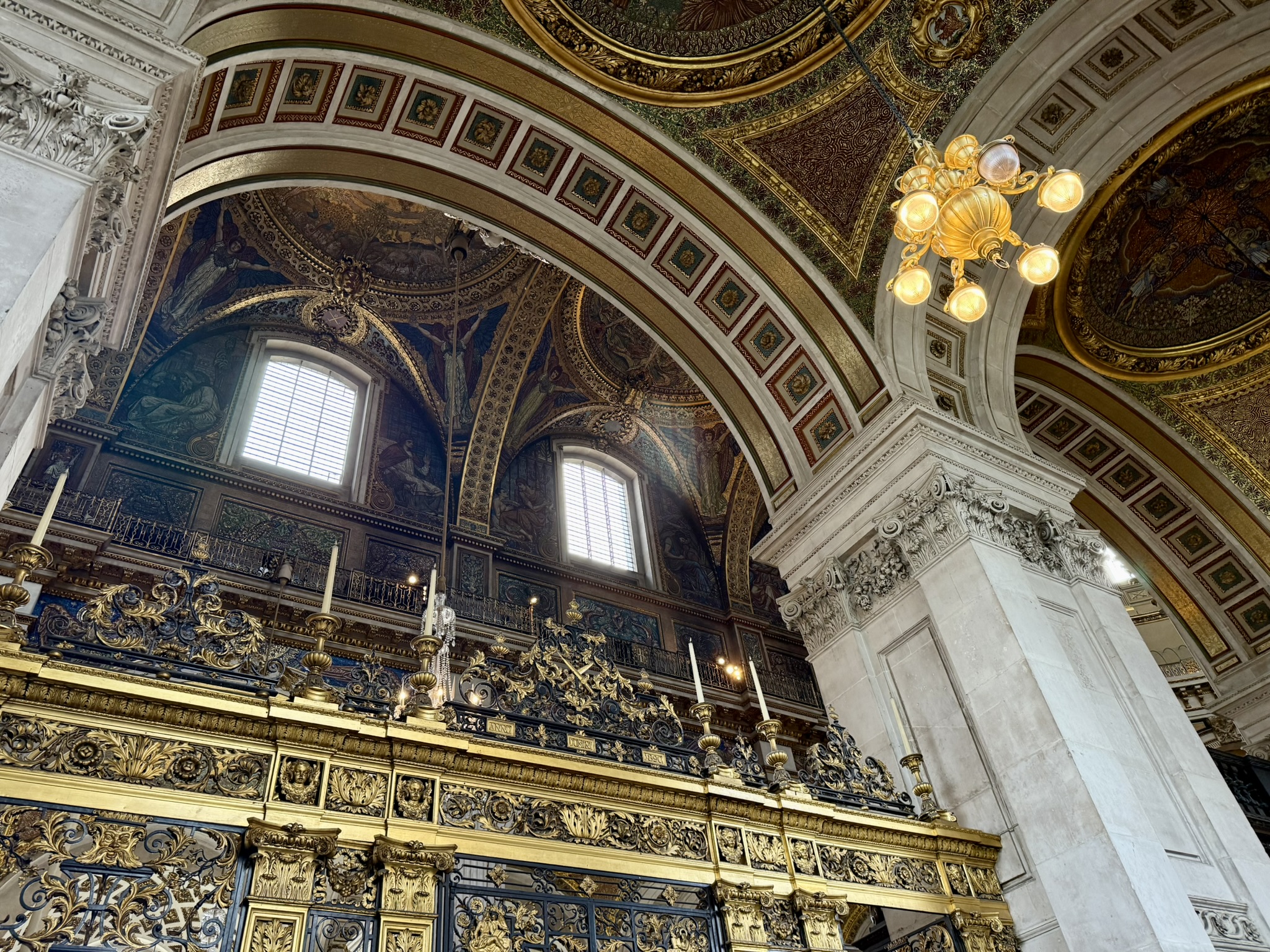
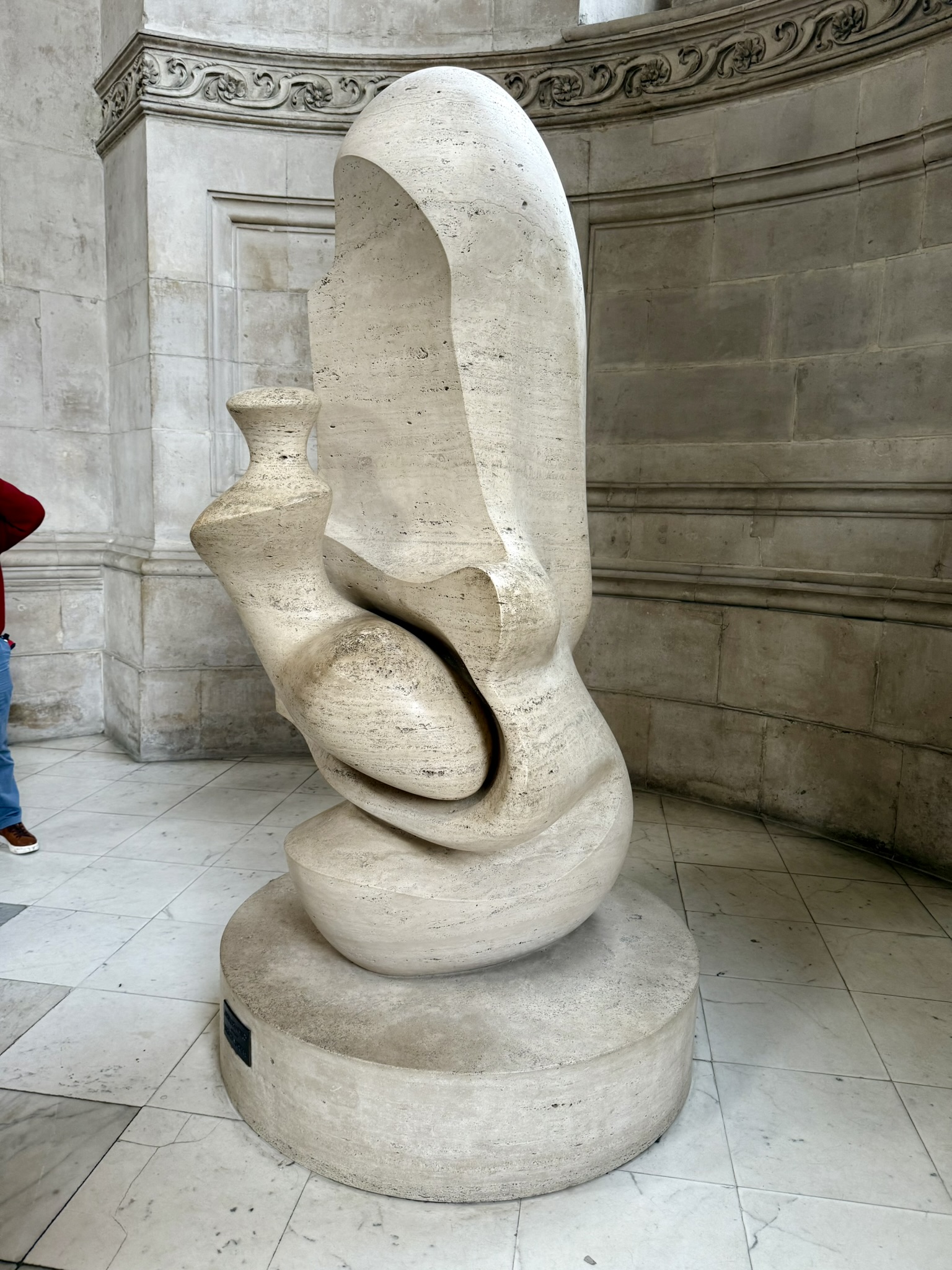
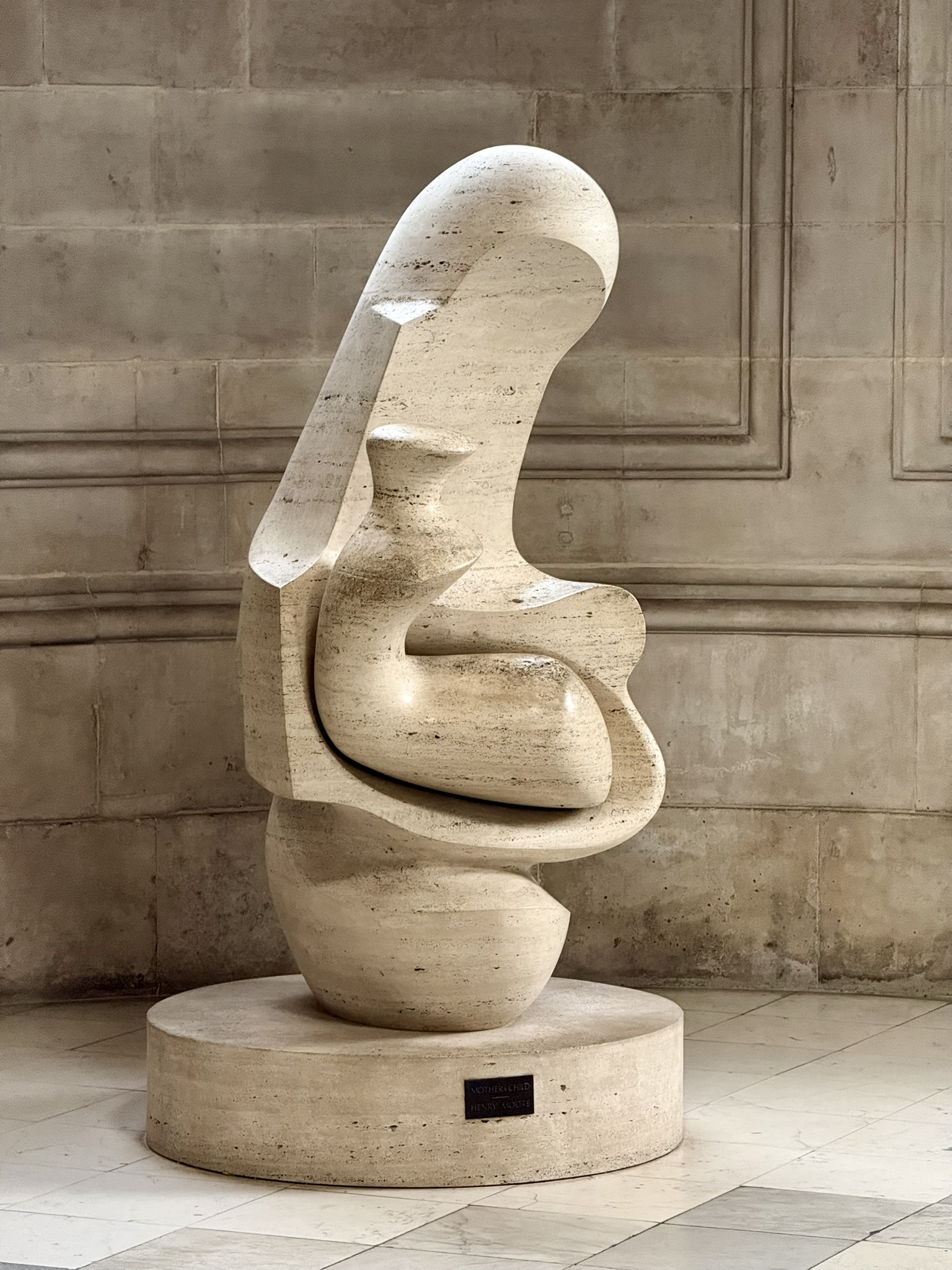
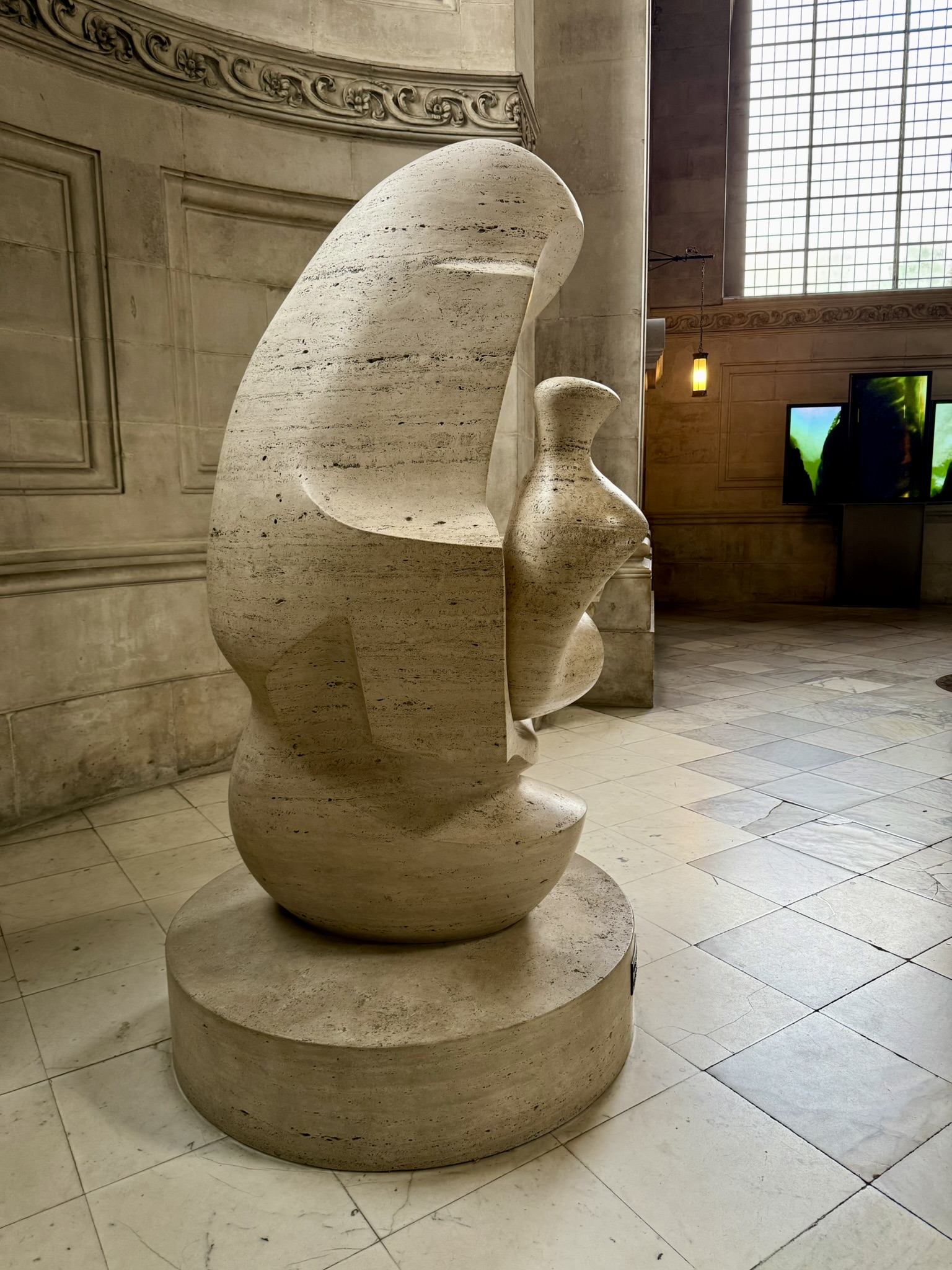
Coming to the north choir aisle, we have then been shown the limestone sculpture named Madonna and Child by Henry Moore, carved in 1943.
Located exactly where the artist wanted it, the Minor Canons’s Aisle, it represents three stages of motherhood: conception, gestation and parenting. Amazingly, these gradually reveal themselves as visitors walk around the sculpture (see images on the right).
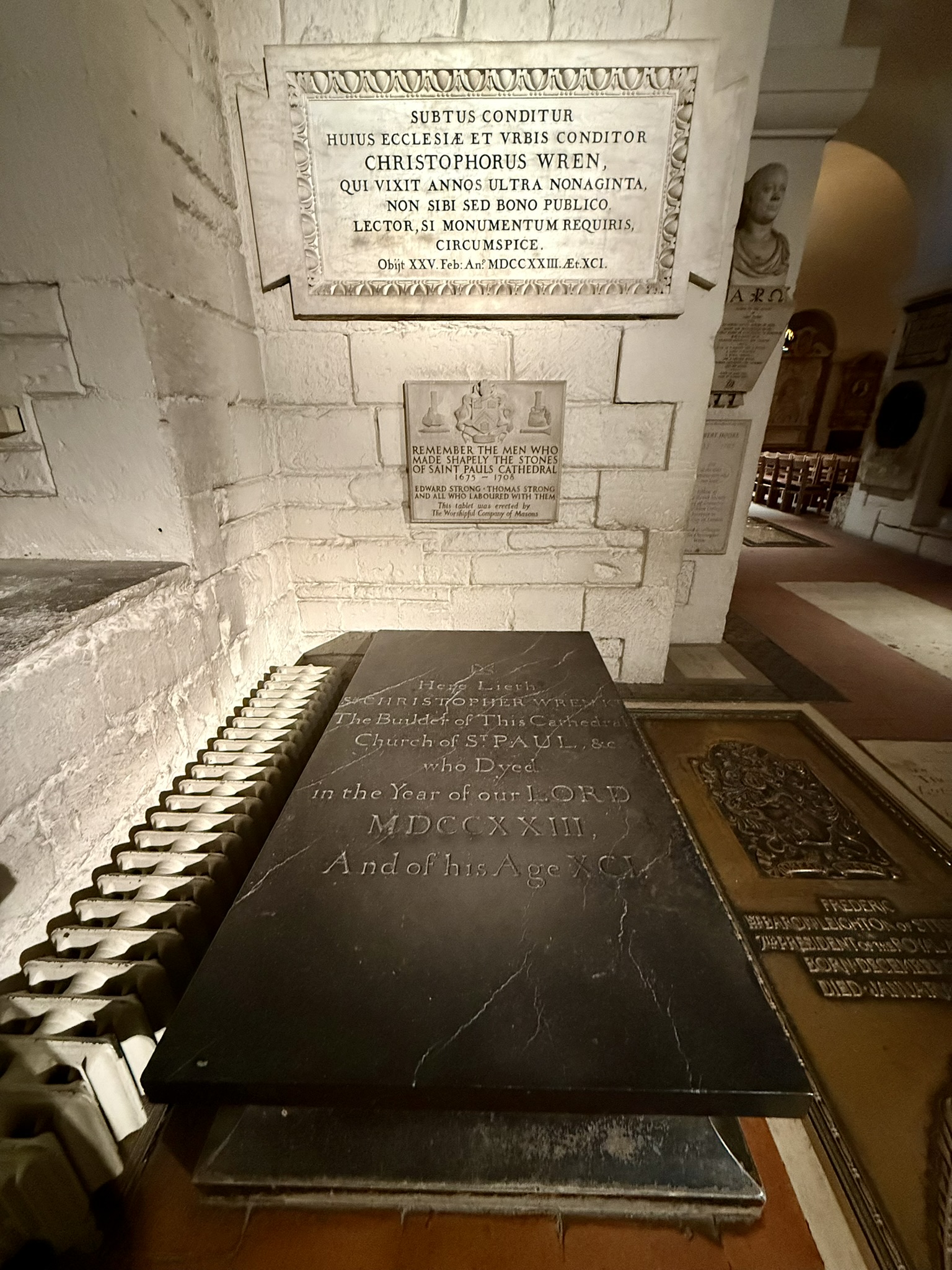
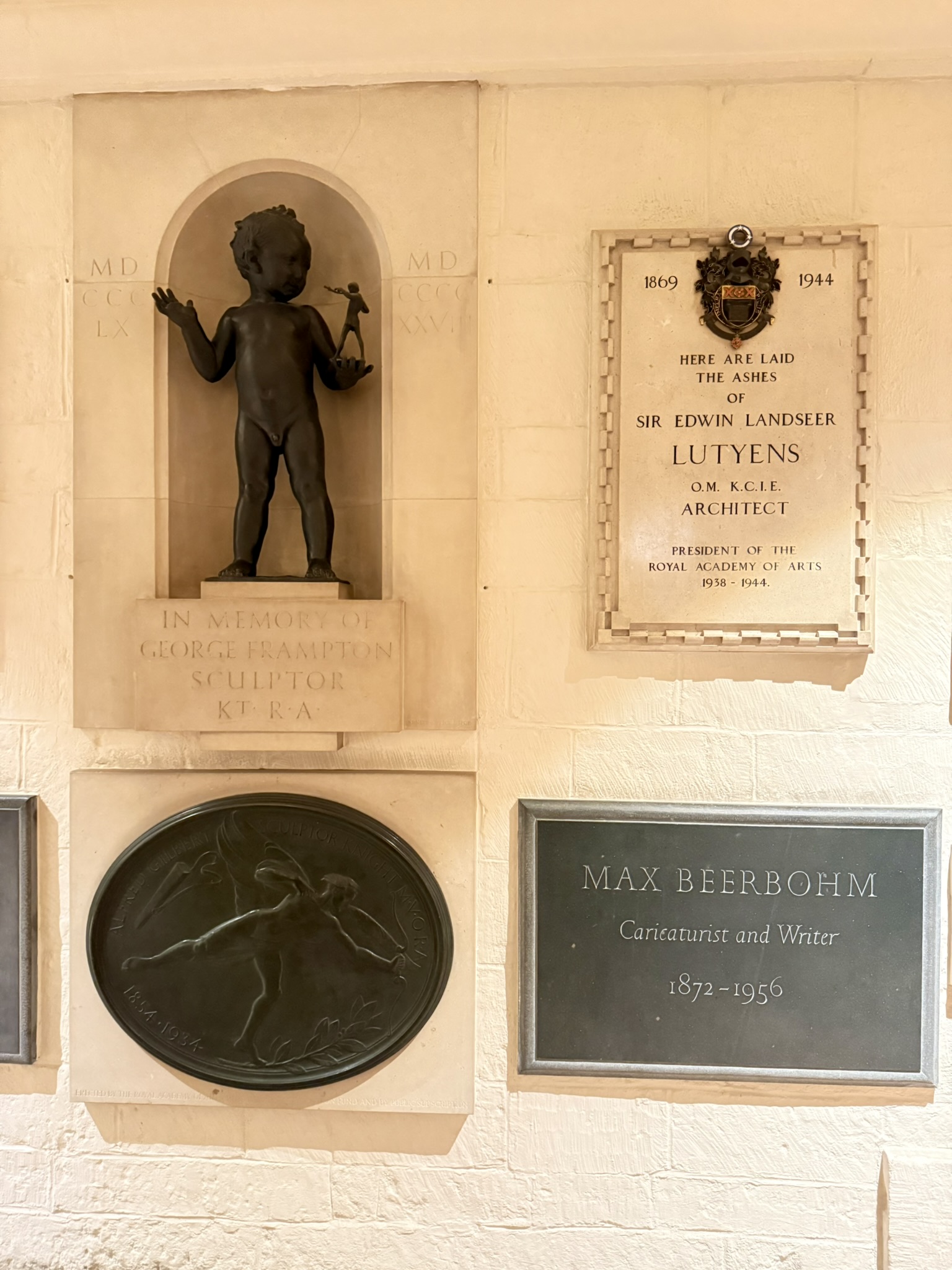
Fast forwarding to the visit at the underground crypt, this turned out to be really large, covering the same floor space as the main footprint of the cathedral, making it the largest in Europe. In the “Painters’ Corner” we paid a visit to the tombs of some of the most remarkable British artists, from J.M.W. Turner to Sir Joshua Reynolds, founder and first president of the Royal Academy of Arts (who happens to be a client of ours!). Wren is also buried here and a tablet near his tomb reads the Latin words: Lector, si monumentum requiris, circumspice (“Reader, if you seek his monument, look around you”). Other notable names that we noted include Sir George Frampton (sculptor of the Peter Pan statue in Kensignton Gardens), Sir Alfred Gilbert (best known for his Angel of Christian Charity a.k.a. the “Eros” in Piccadilly Circus), Sir Edwin Landseer Lutyens (the Cenotaph, Reuters Building, the city of New Delhi, Rāṣṭrapati Bhavan among his works). Memorials are also dedicated to Florence Nightingale and Winston Churchill, but the list would too long for this blog article.
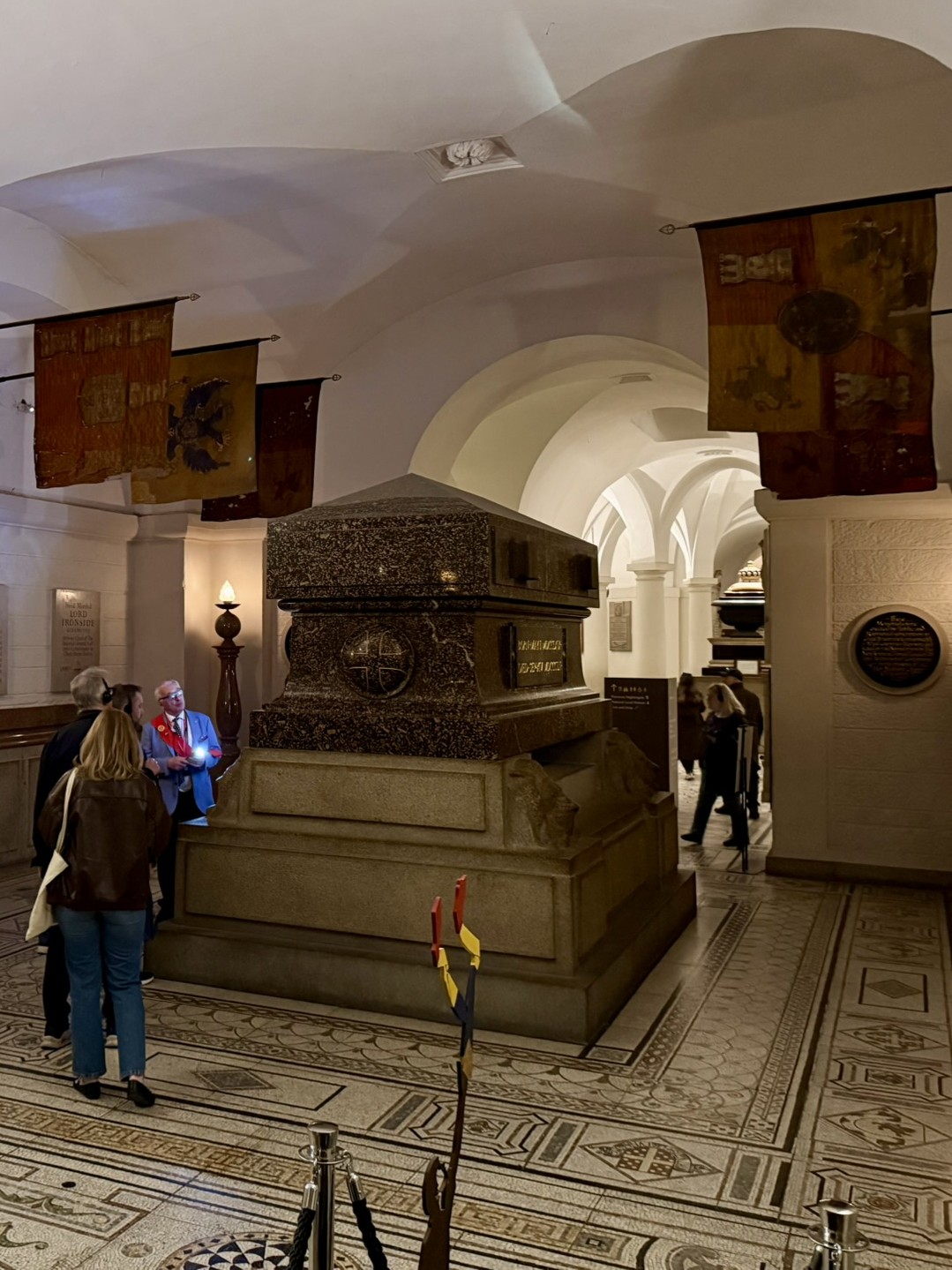
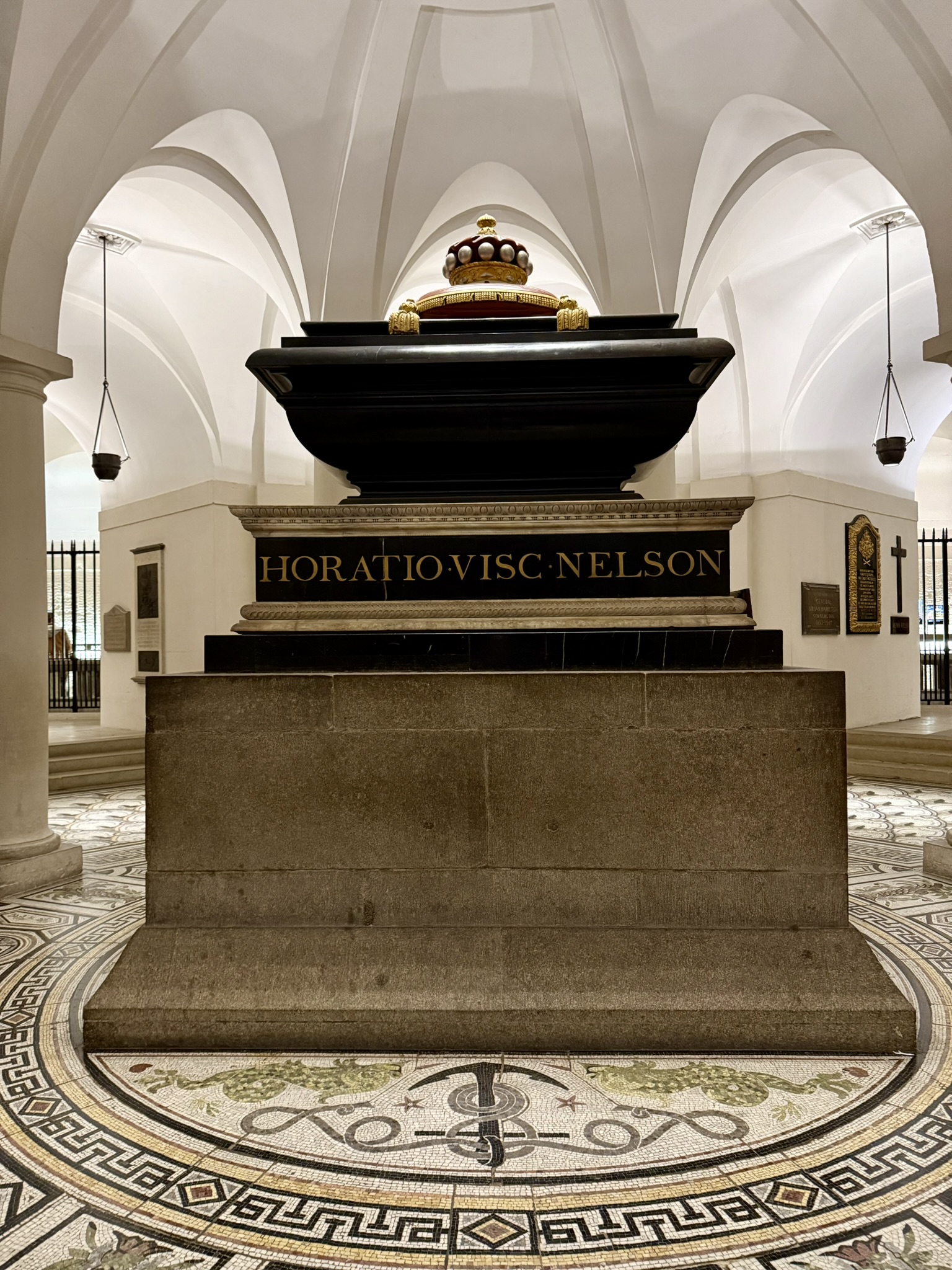
Another couple of tombs worth mentioning are definitely the Lord Nelson‘s one, whose coffin is made from the mainmast of L’Orient of the Battle of the Nile where he lost his arm (and we learned that his corpse was placed for 3 months in a cask of brandy from Trafalgar to London), and Arthur Wellesley the Duke of Wellington‘s one, victor of Waterloo. Both of them defeated Napoleon in war.
As we were exiting the building, we noted the statue in front of the main entrance, representing Queen Anne, second daughter of James Duke of York, who later became James II Stuart. She was the reigning monarch when St. Paul’s Cathedral was completed and, unlike her father, she was a strict Protestant. She married George of Denmark and Norway, but unfortunately didn’t leave an heir despite been pregnant at least 17 times over as many years and her successor was a second cousin, the German George I Hanover.
The scultures in the tympanum above the Corinthian columns show St. Paul (born Saul of Tarsus), who participated in his early years in the persecution of disciples of Jesus. On his way to arrest Christians in Damascus, he fell off his horse when he saw a bright light, heard Christ speak, was blinded and, after these events, was baptised, beginning immediately to proclaim that Jesus of Nazareth was the Jewish messiah and the Son of God. After his conversion, he made three missionary journeys to spread the Christian message to non-Jewish communities. He is often represented with a sword, a reminder of the means of his martyrdom in Rome, where he was beheaded in 67 AD, and a book, which symbolises the Word of God.
-
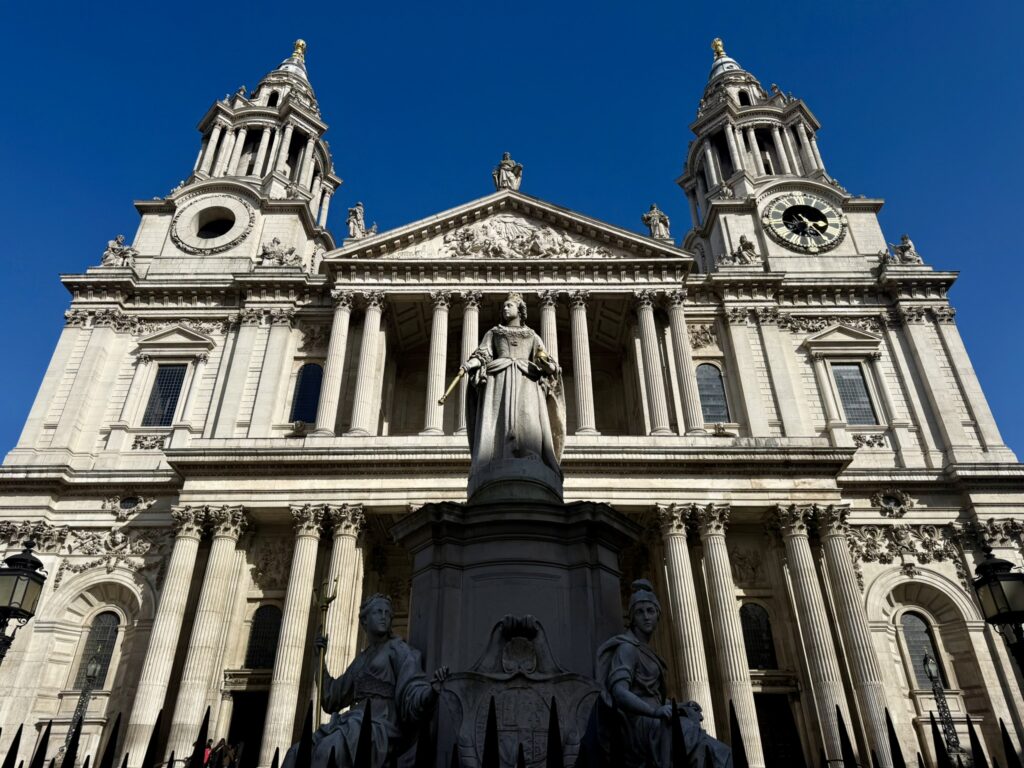
- Queen Anne and St. Paul’s statue at the top of the front facade facing West
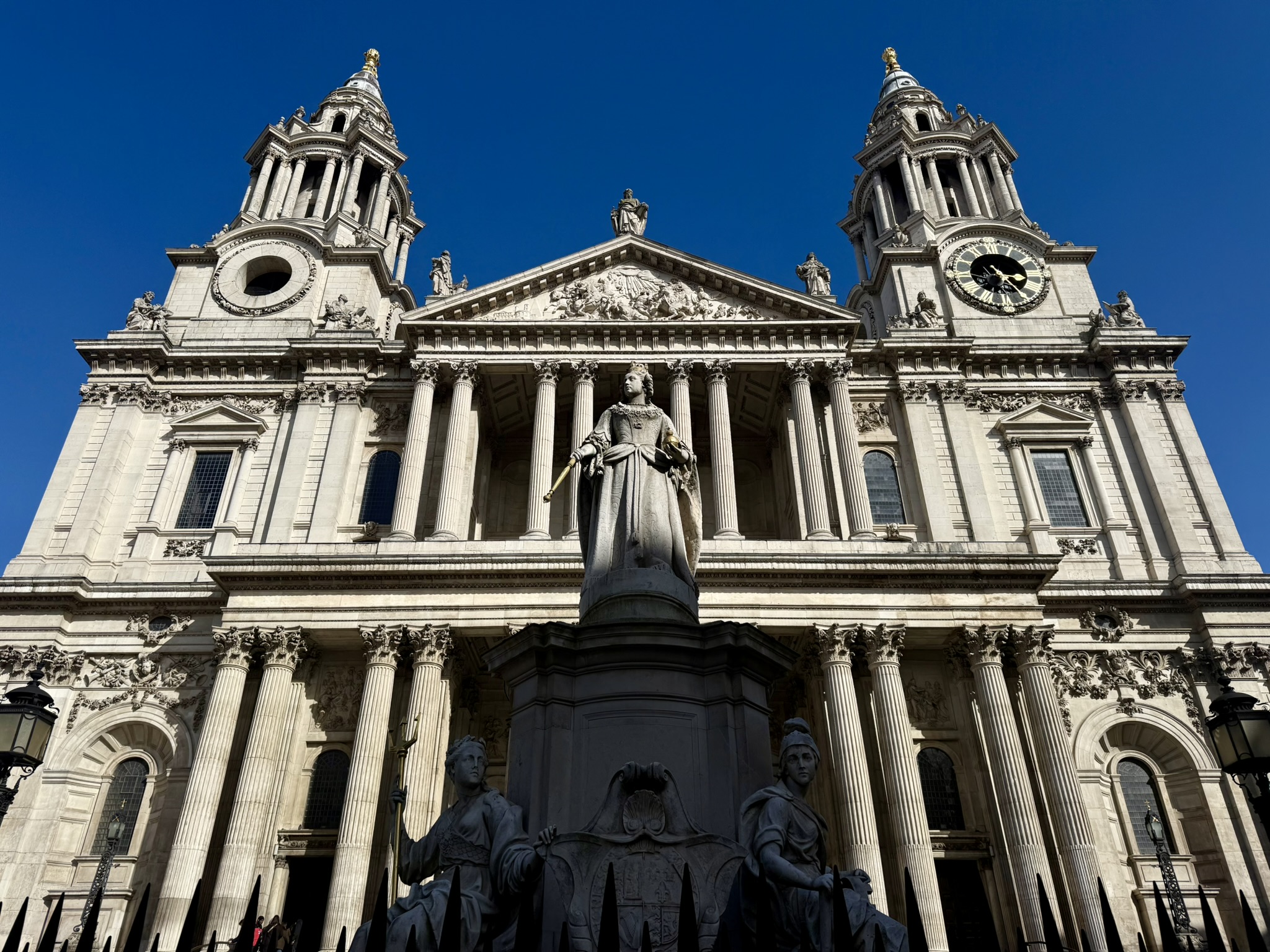
-
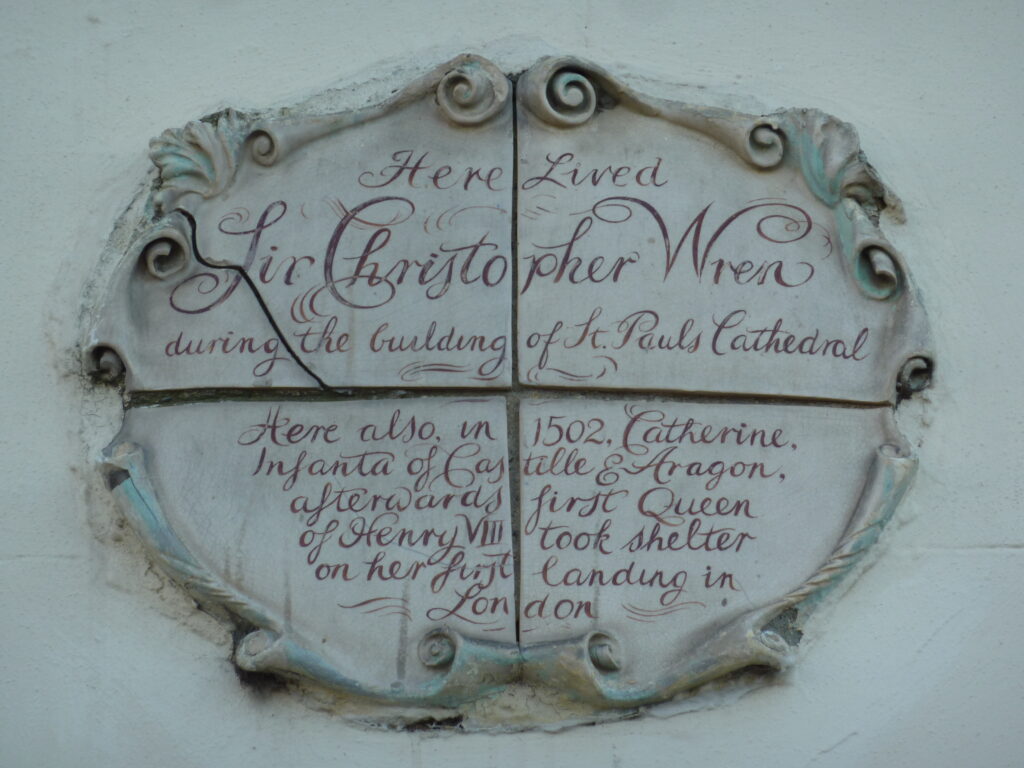
- The plaque at the house where Wren lived while the Cathedral was being built
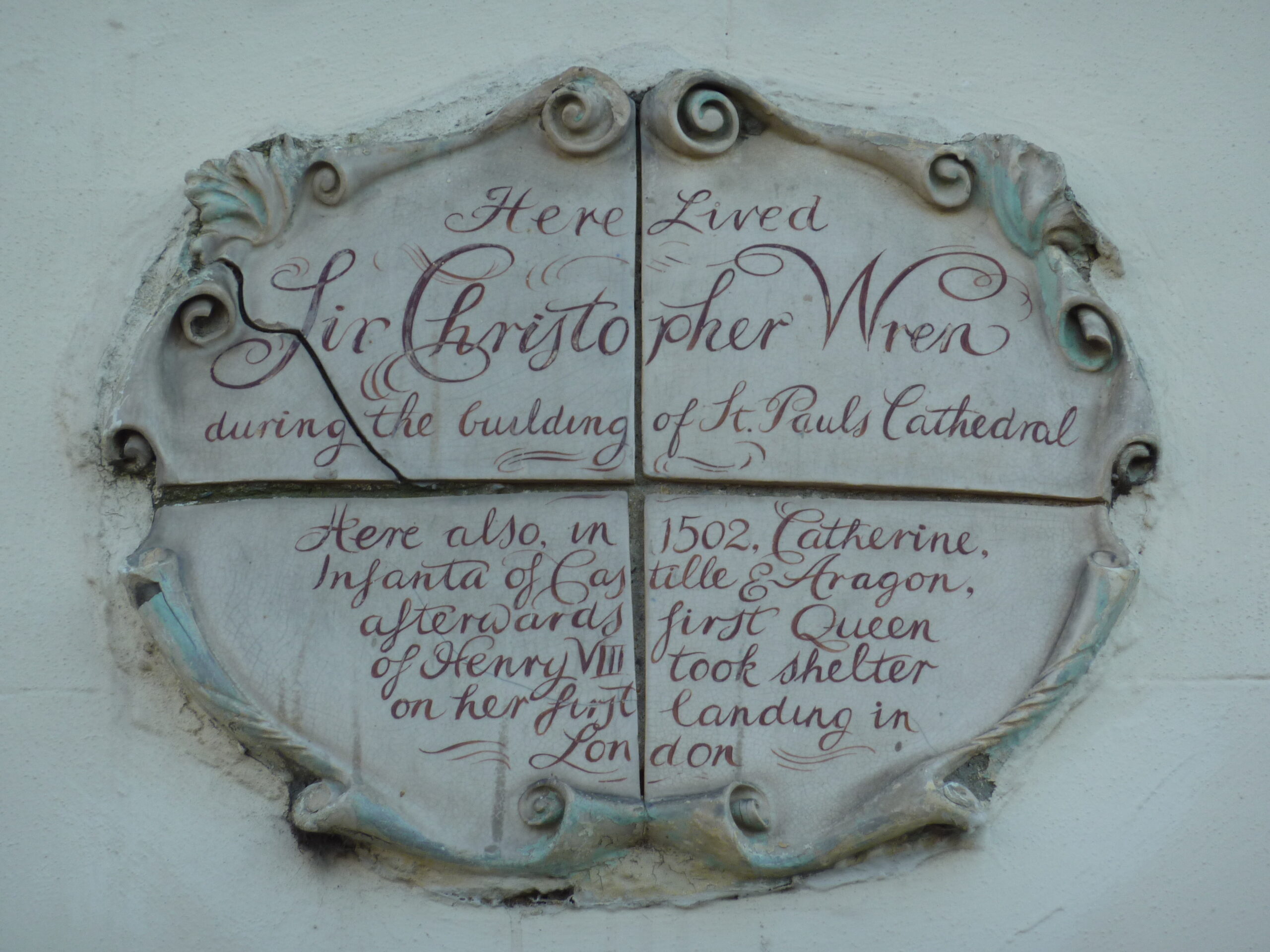
-
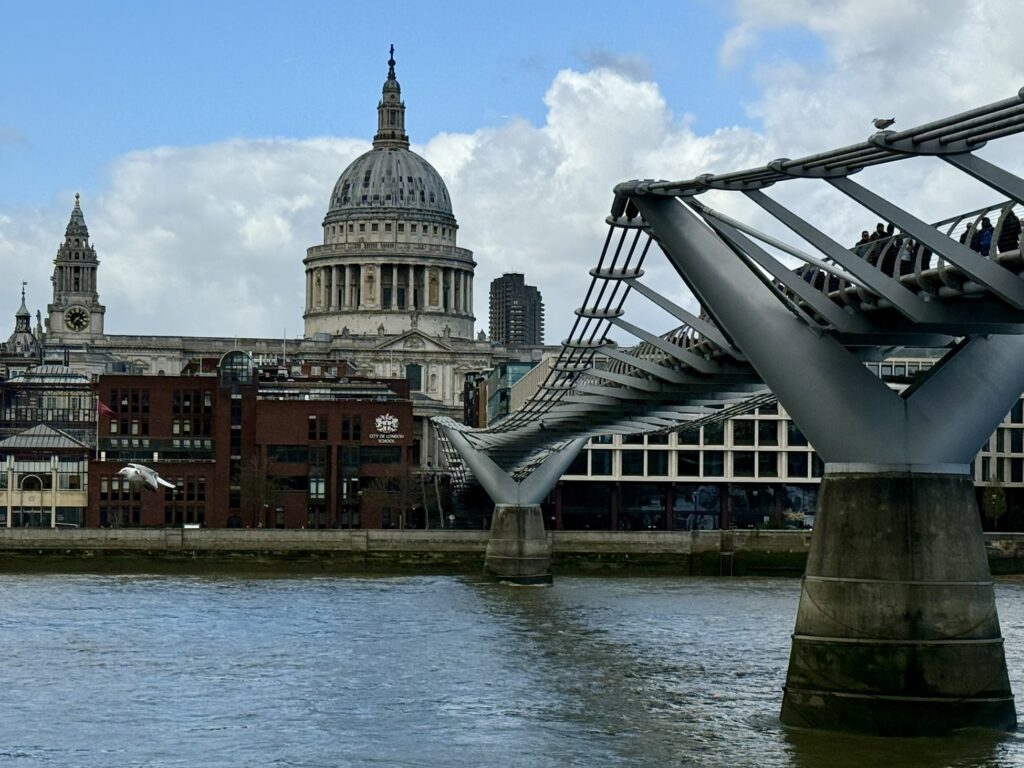
- The view from Wren’s house in the South Bank of the Thames
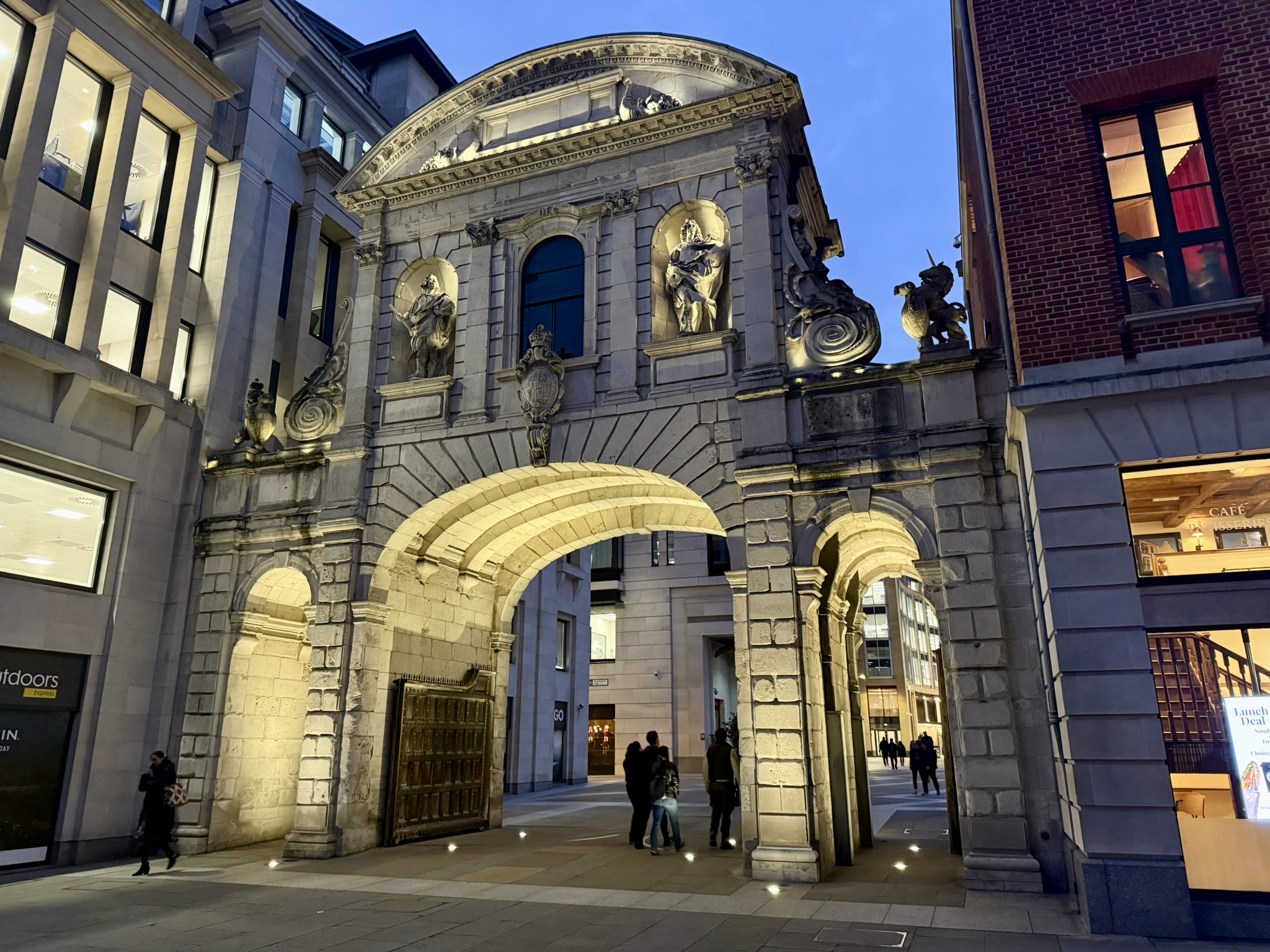
Coming back to our office, on the right hand side we left the grand gate in Portman stone located in Paternoster Square from 2004: it’s named Temple Bar and was designed in 1672 also by Wren. It was one of the medioeval city entrances, originally located where the Strand meets Fleet Street, next to the Royal Courts of Justice.
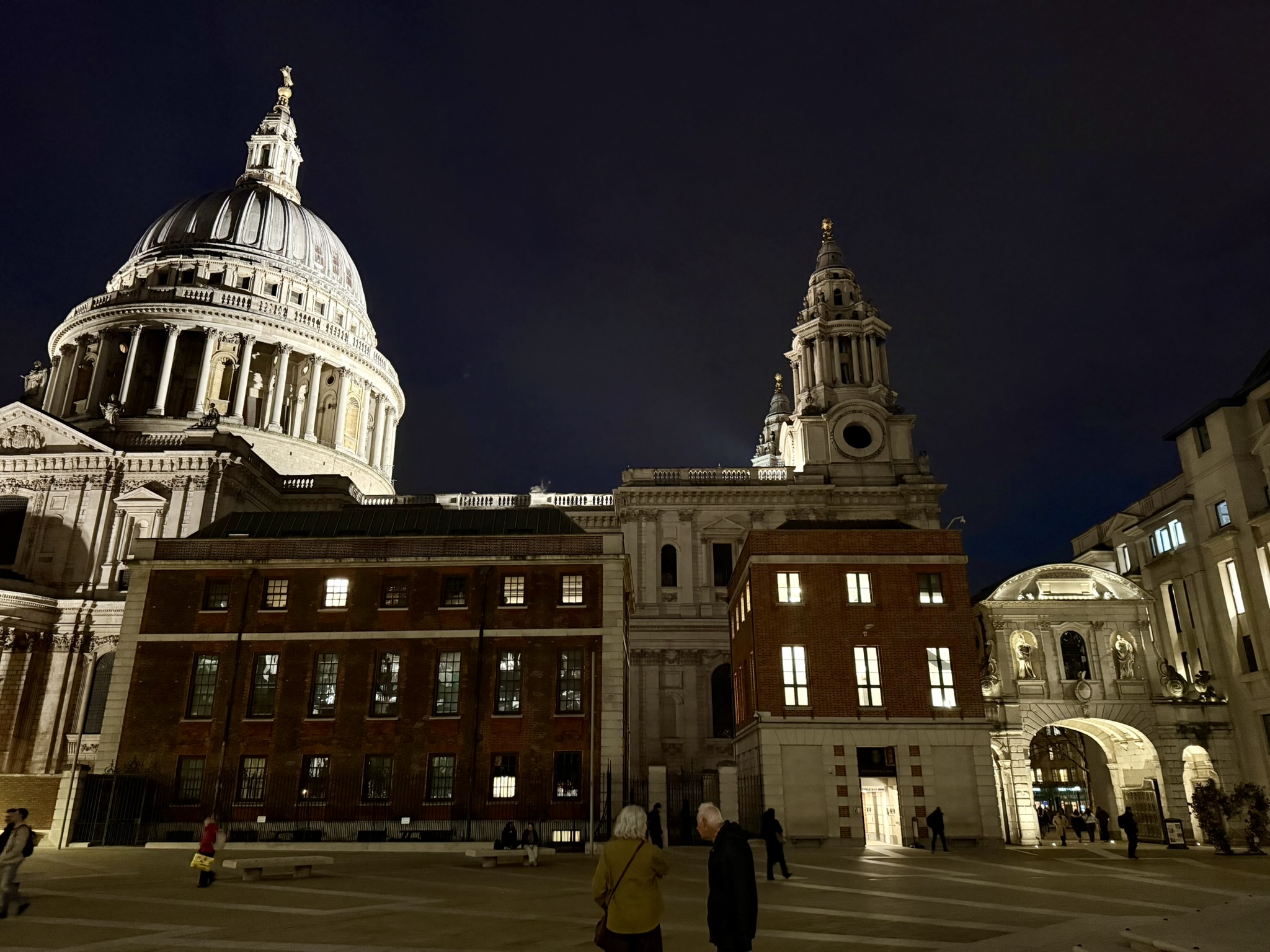
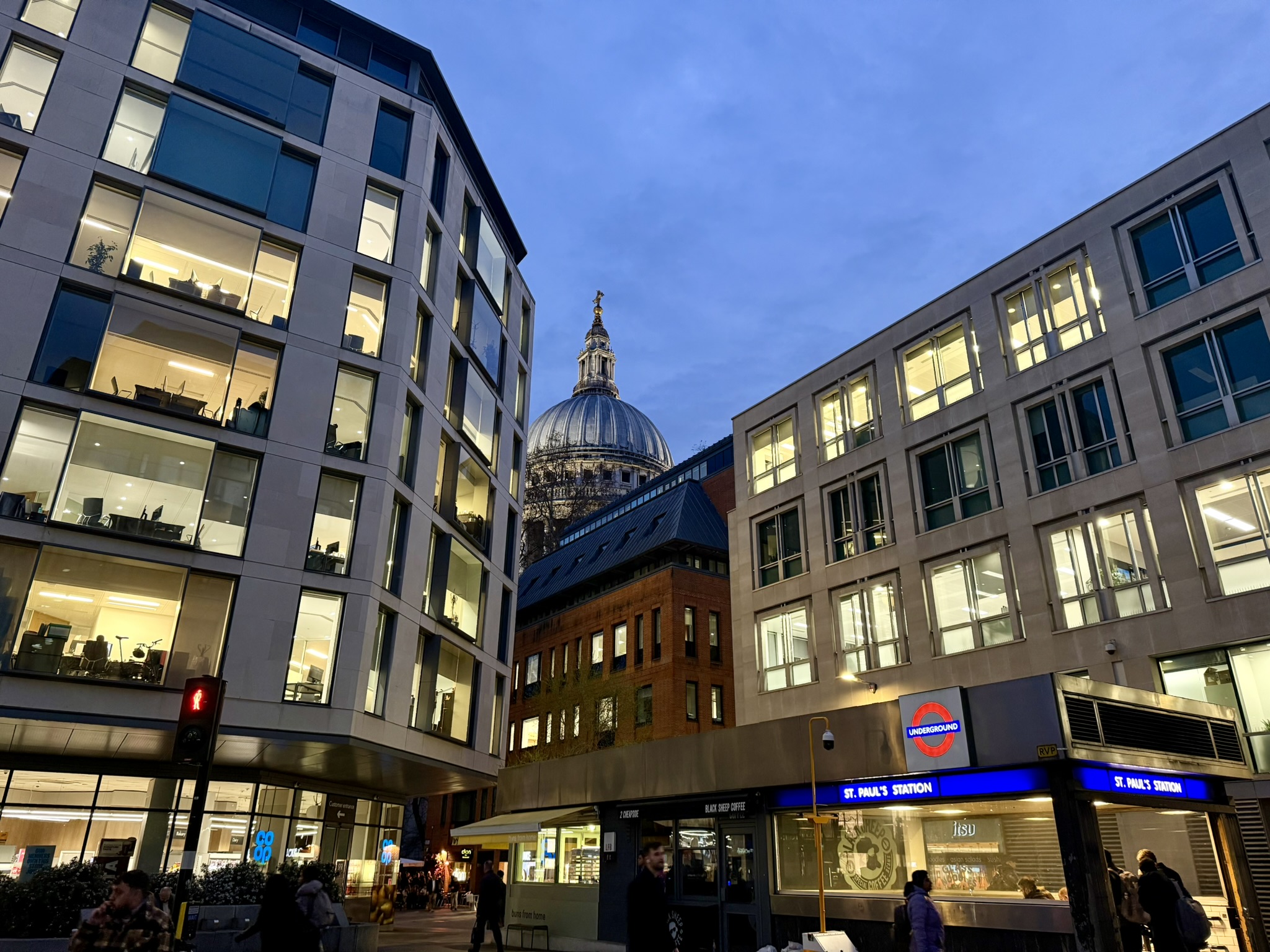
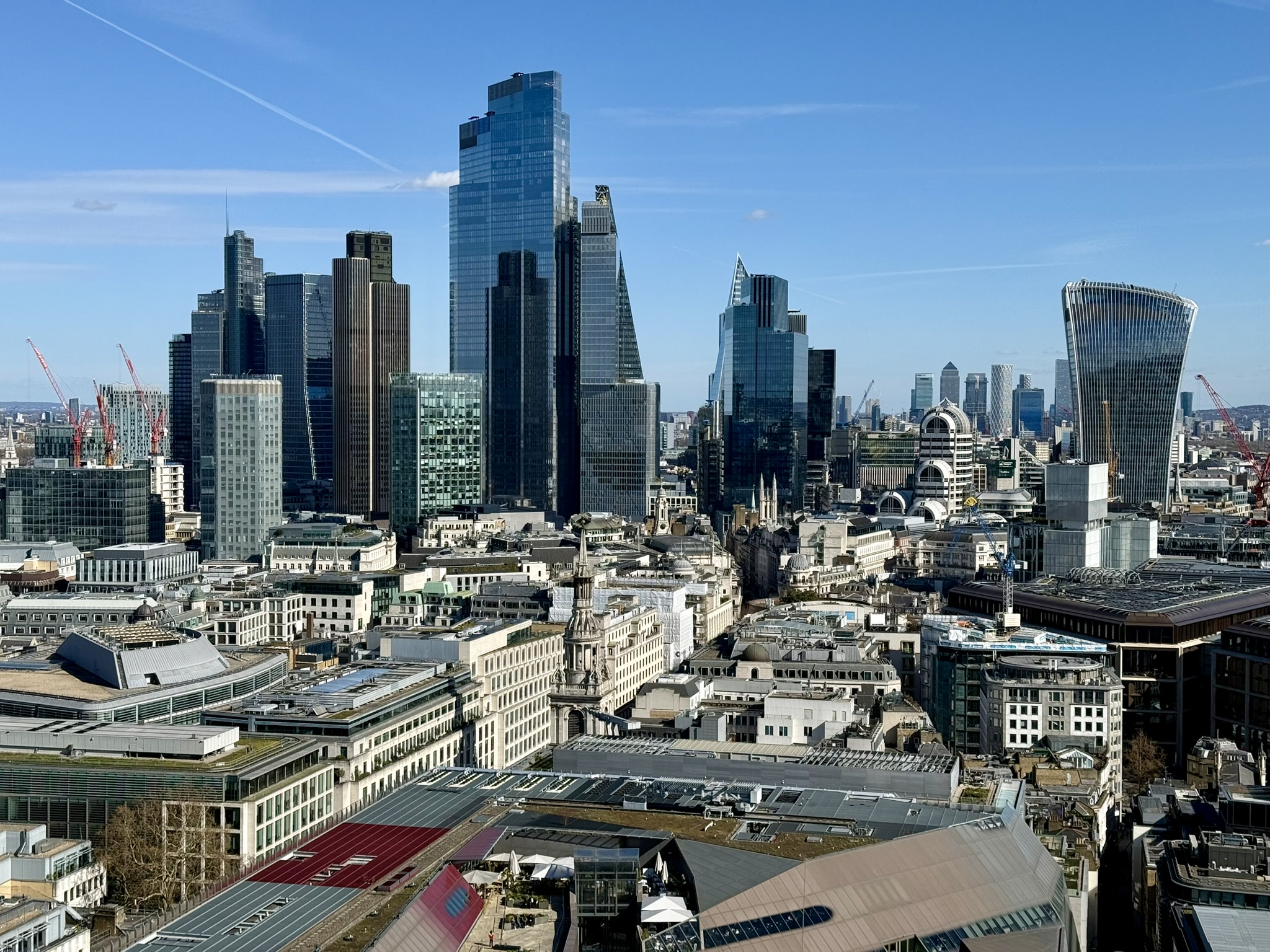
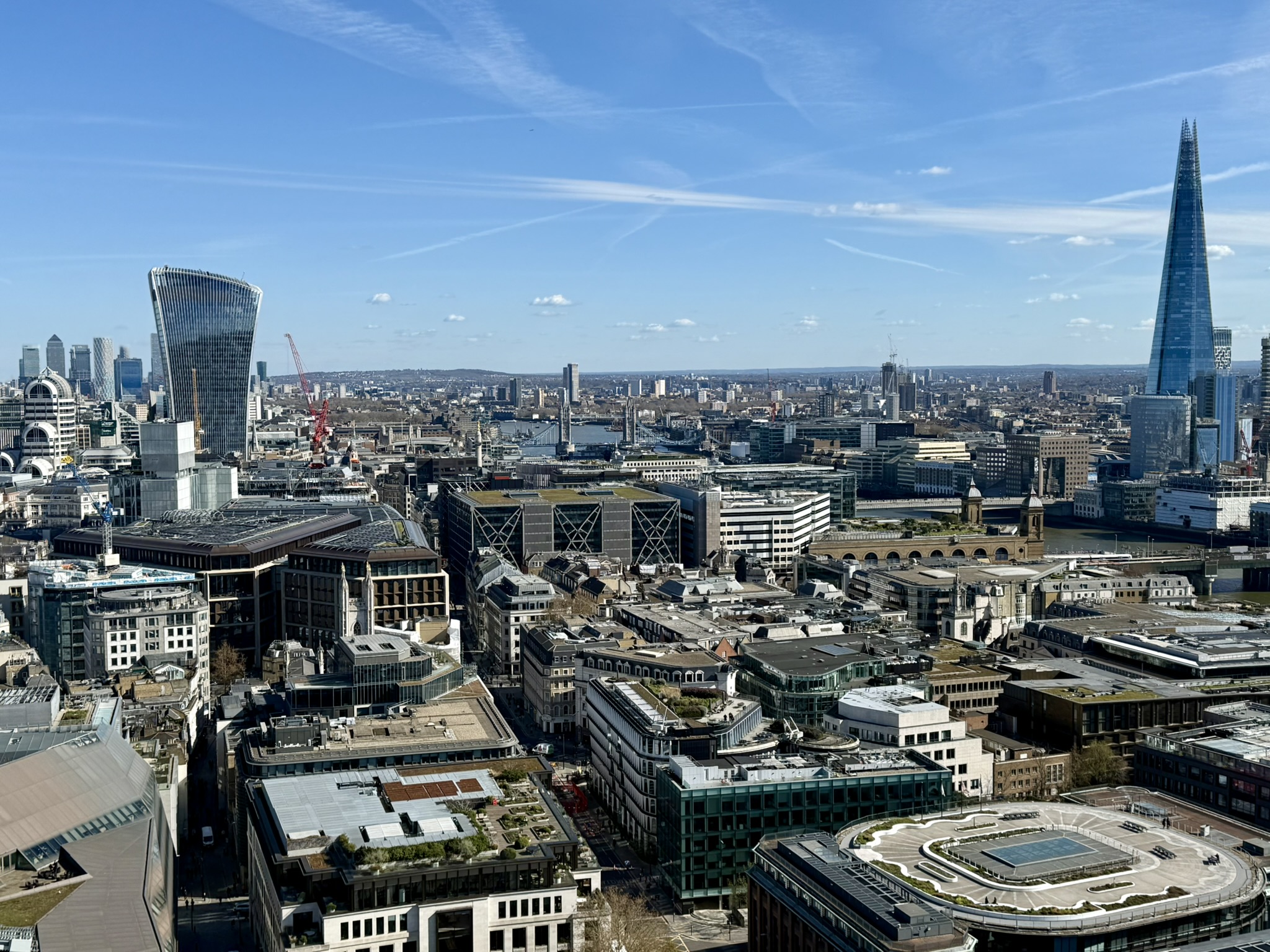
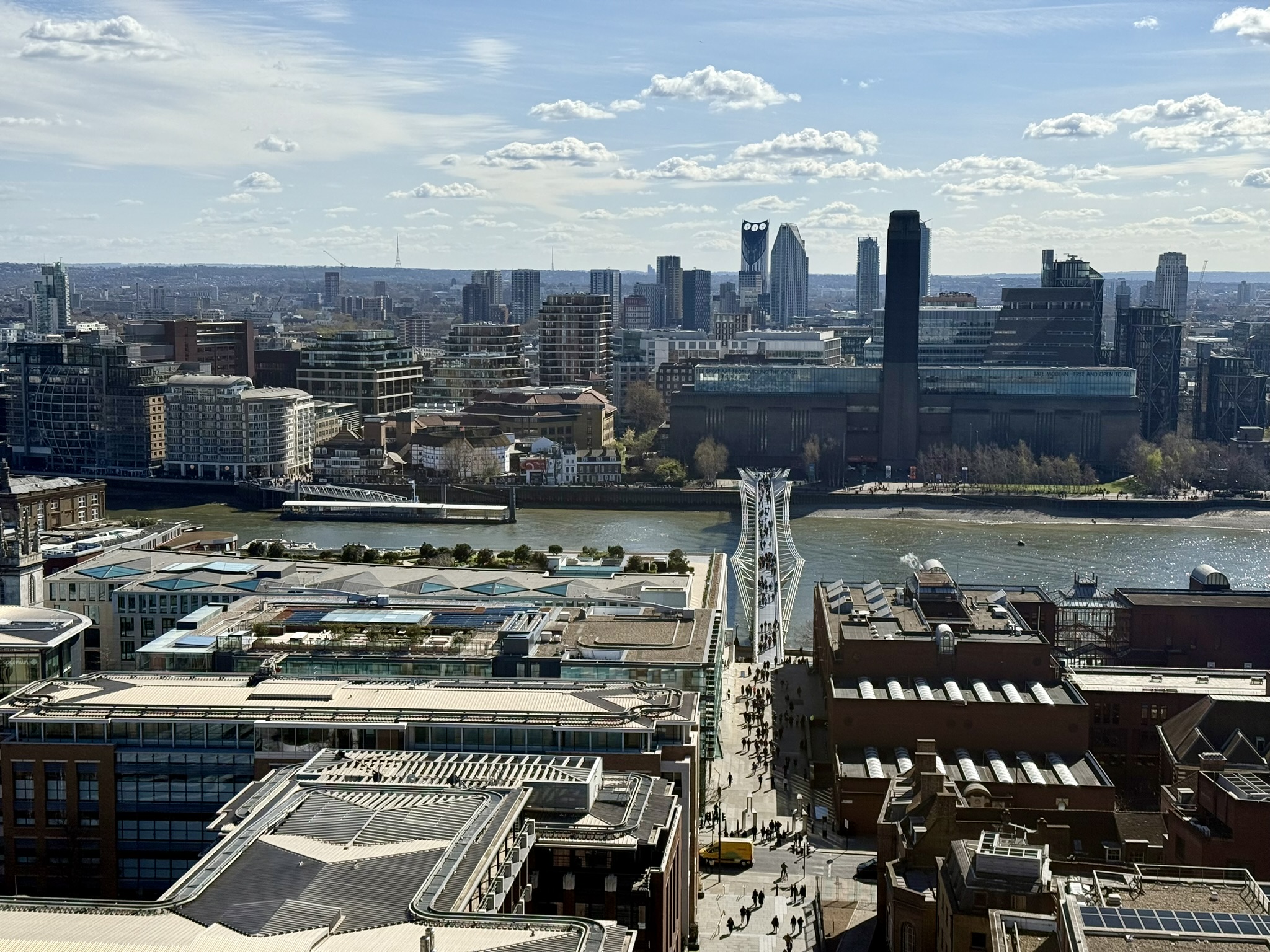
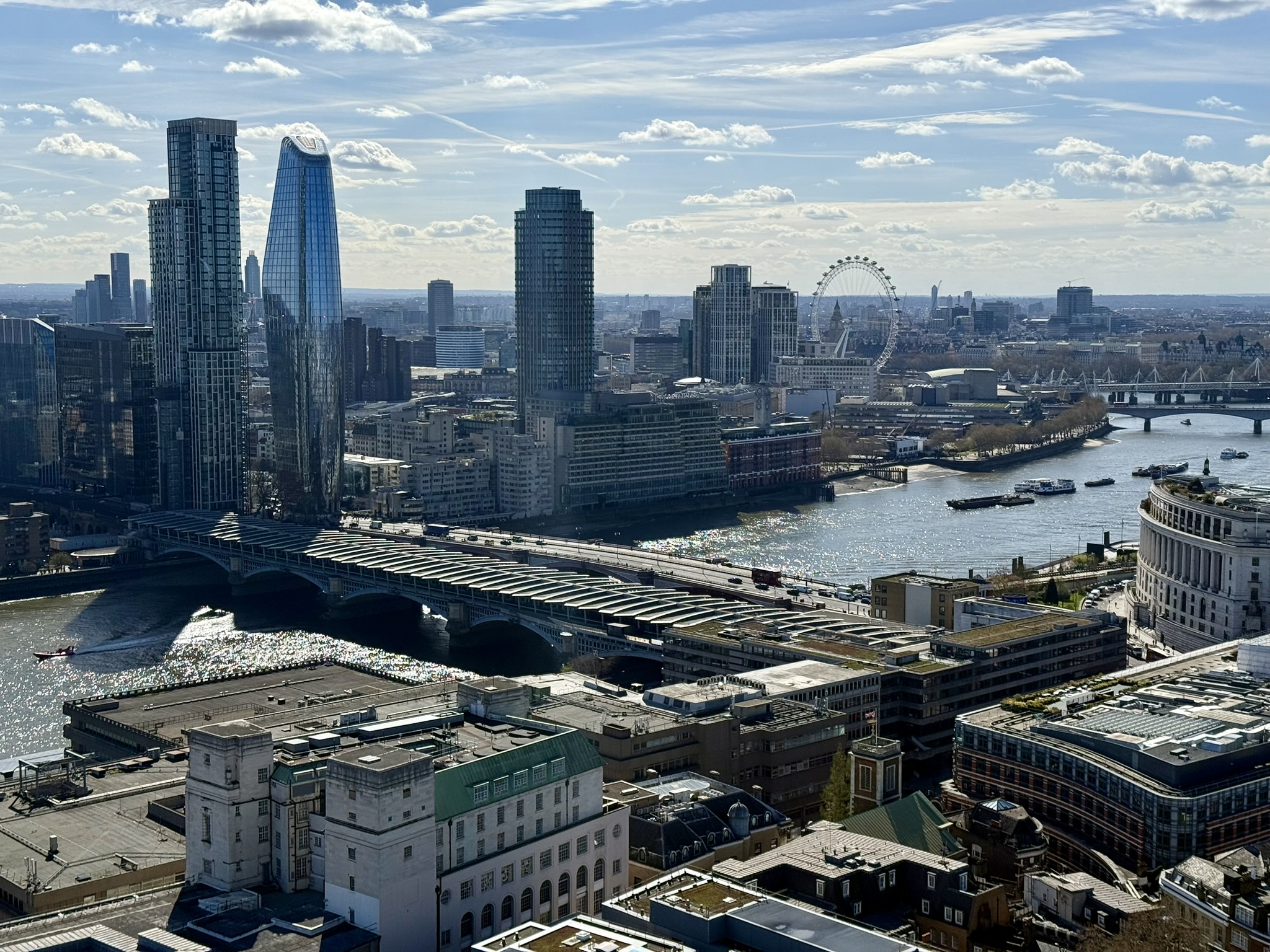
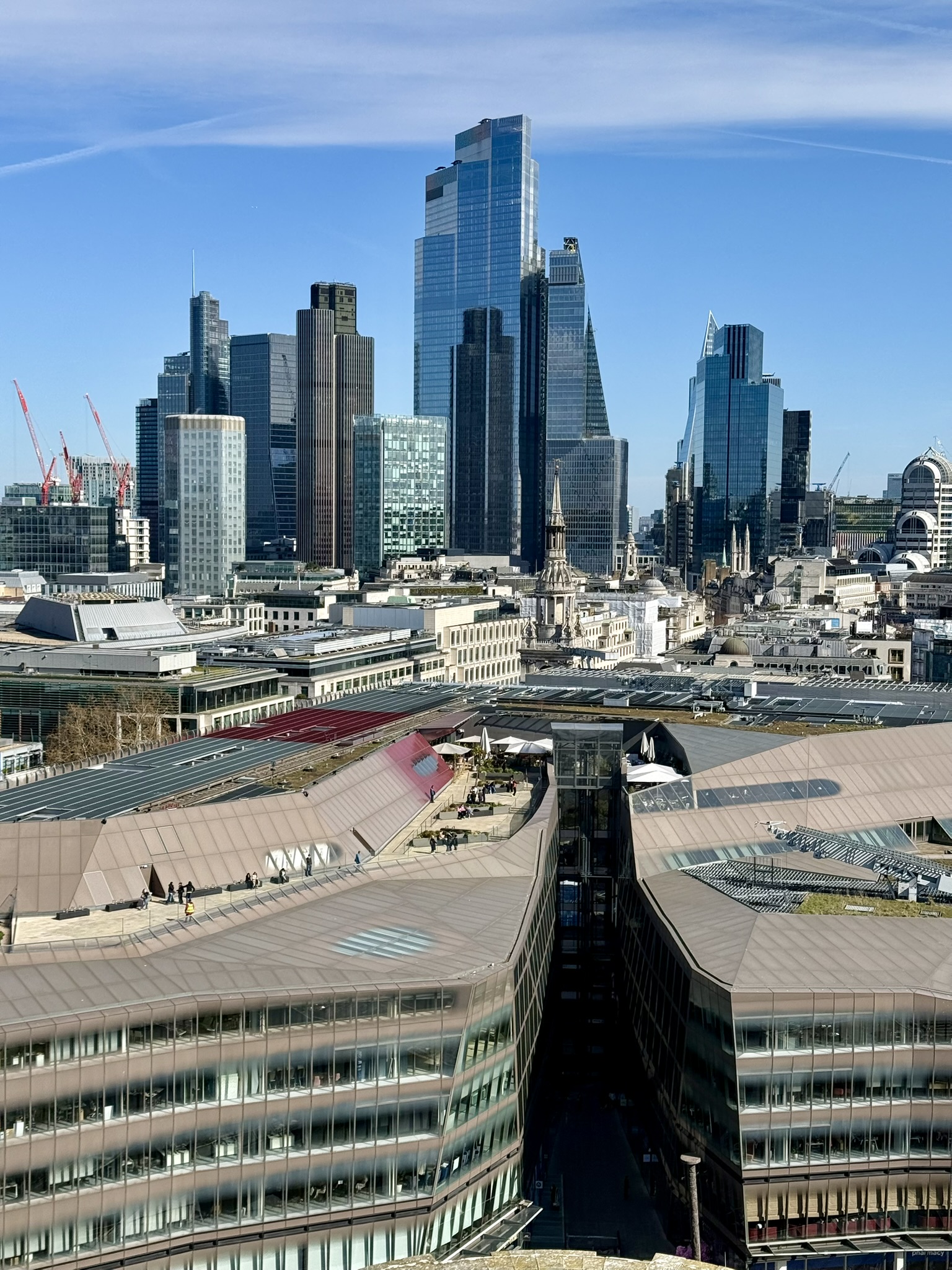
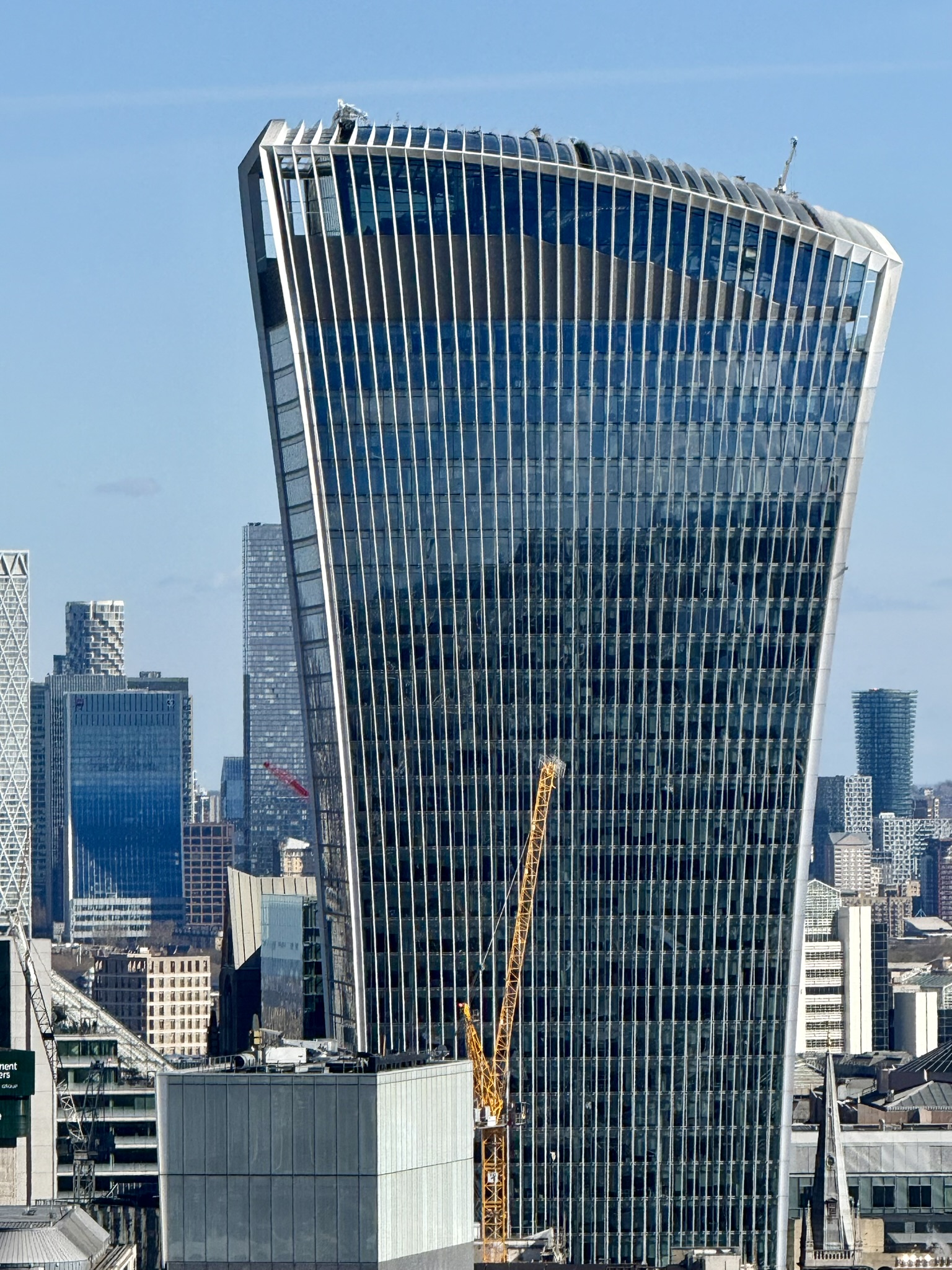
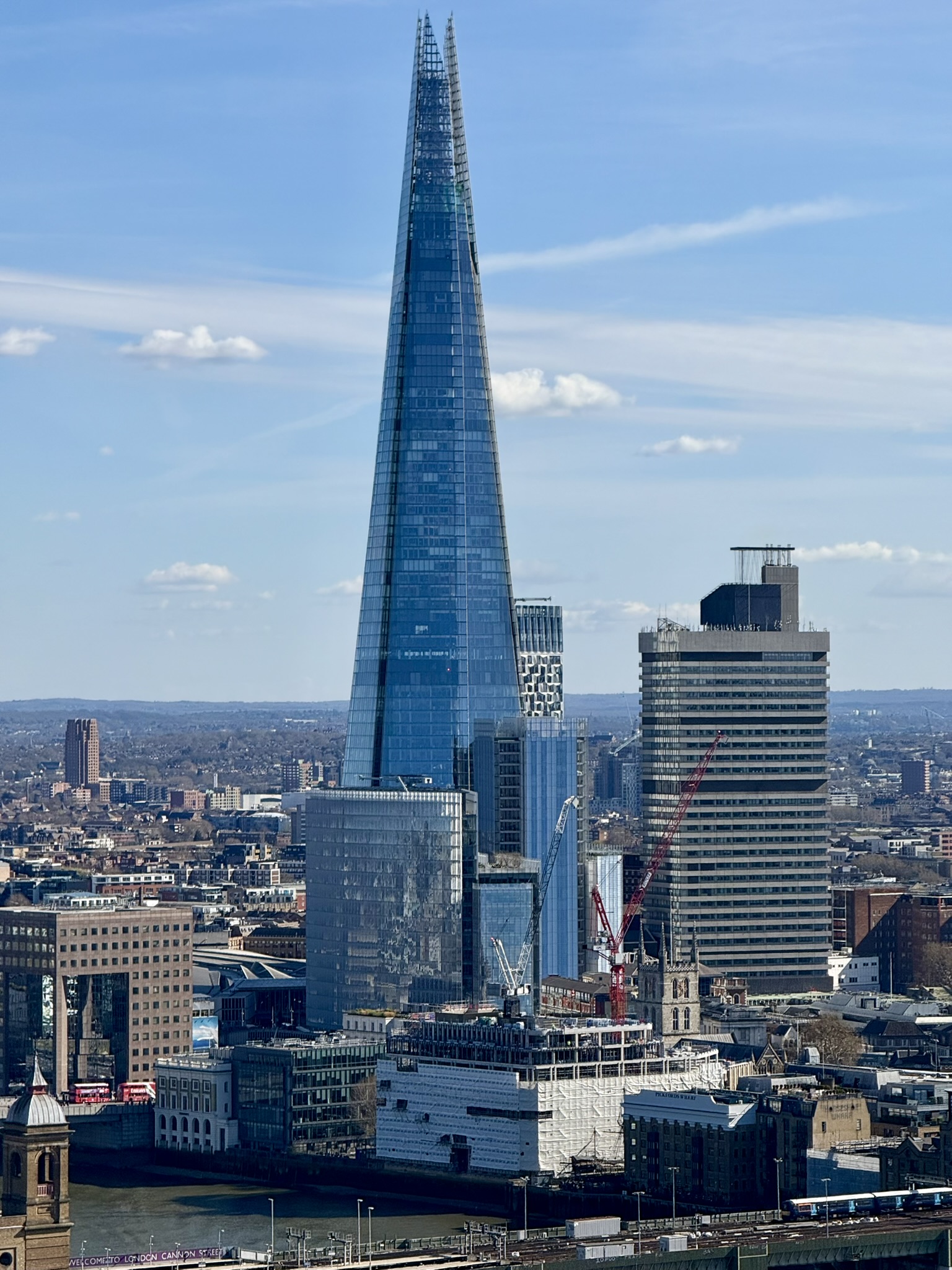
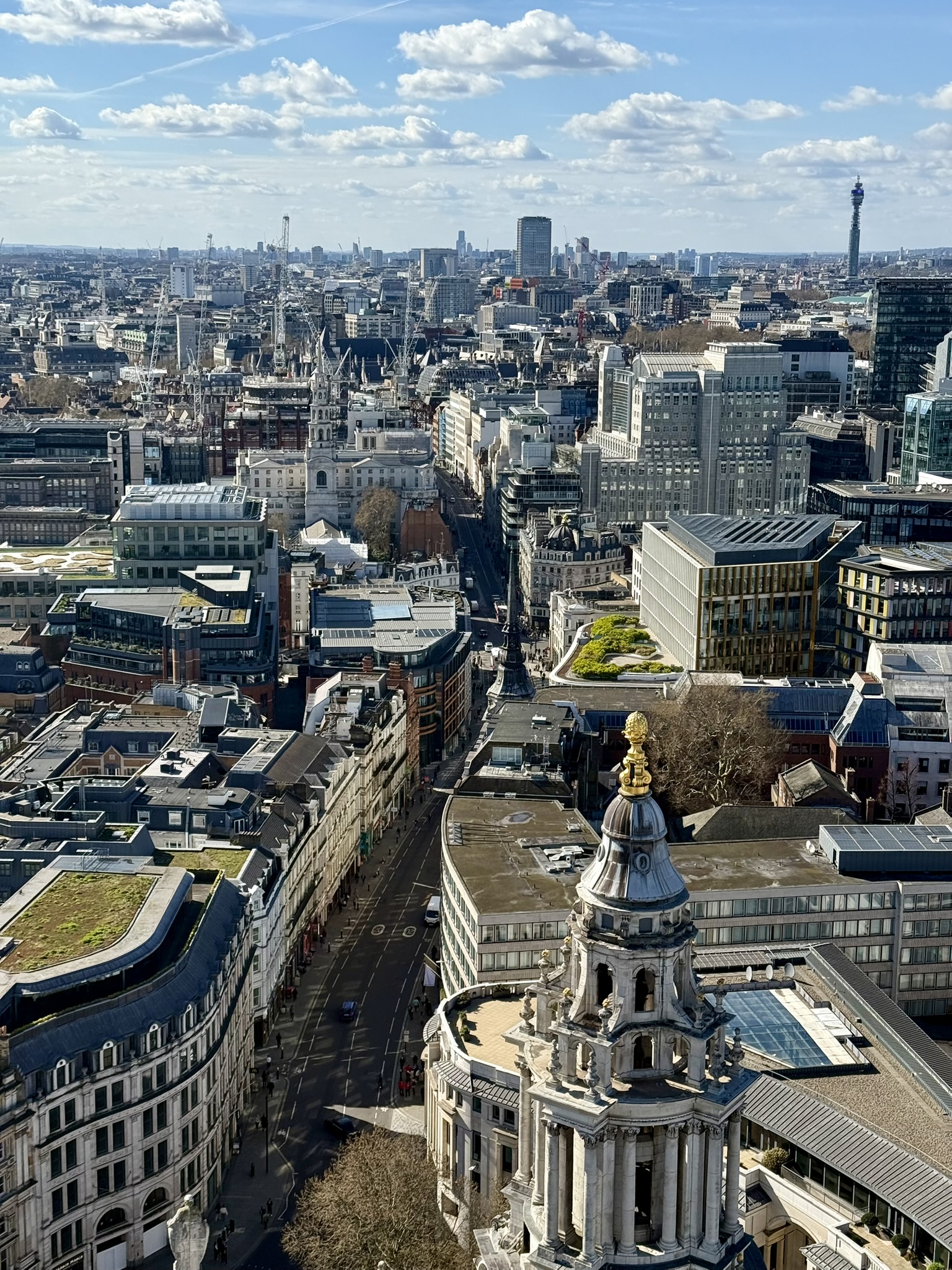
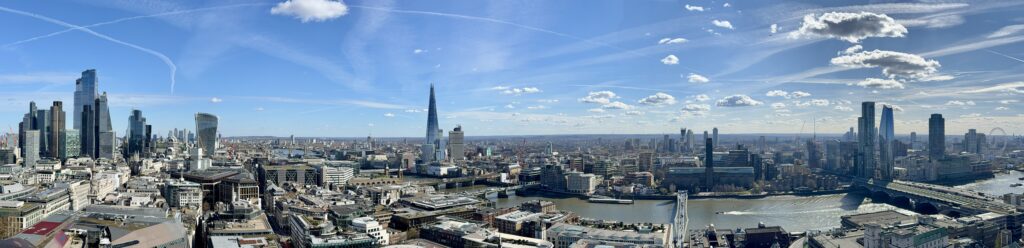
We hope you enjoyed reading about St. Paul’s Cathedral and next time you’re coming to visit our City office let us know if you fancy a walk around St. Paul’s too! In the meantime here’s some panoramic photos from the top of the dome, or – as you now know – the Golden Gallery!