







- April 28, 2026
Unpacking Scope 3: Category 11 – Use of sold products
GHG Scope 3 Downstream activites | Category 11 – Use of sold products


Understanding emissions generated during the lifetime use of your products
Article 19 of our Carbon Clarity series curated by Rutuja Dongare is about the climate impact that occurs outside of an organisation’s offices and factories, but takes place AFTER products, goods and services are sold. For example, once customers begin using a product, this may consume energy, fuel, refrigerants or other resources for years. These downstream emissions fall under Scope 3 Category 11: “Use of sold products”.
Category 11 includes greenhouse gas (GHG) emissions that result from the use of goods and services sold in the reporting year, over their expected lifetime. These emissions can be direct, such as fuel combustion in vehicles, or indirect, such as electricity consumed by appliances.
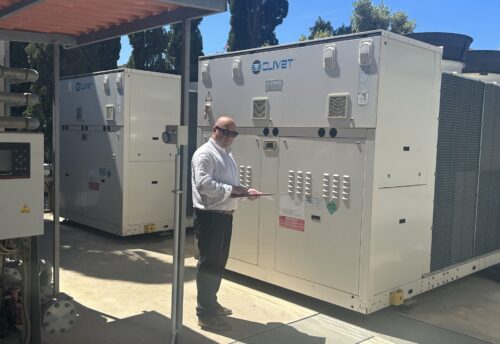
This category is especially significant for industries that manufacture energy-using products including automotive, electronics, HVAC systems, industrial machinery and household appliances. It may be applicable also to the real estate industry, as developer and asset management companies are required to estimate at the design stage the GHG emissions of the buildings well beyond the contruction site’s handover, over a period of 20, 30 or even 50 years.
What does this mean in practice?
If your company manufactures cars, the fuel burned during the vehicle’s lifetime use is counted under Category 11. If you produce refrigerators or air conditioners, the electricity consumed during operation over their lifespan must be included. If you manufacture industrial pumps or compressors, their long-term energy consumption is part of this category.
In many cases, these use-phase emissions can be several times higher than emissions from manufacturing!
Why Category 11 matters
Category 11 often represents the single largest portion of total lifecycle emissions for product manufacturers. Ignoring it can significantly underestimate climate impact.
It also directly links sustainability with product design. Energy efficiency improvements, electrification, alternative fuels and smart technologies can dramatically reduce use-phase emissions.
Investors and regulators increasingly examine how companies are addressing product lifecycle impacts, not just operational emissions.
How companies estimate these emissions
Companies typically calculate Category 11 emissions by:
- Determining the number of units sold in the reporting year
- Estimating average product lifetime
- Defining expected annual usage patterns
- Applying appropriate electricity or fuel emission factors
Where usage data is uncertain, companies rely on documented assumptions, industry benchmarks and lifecycle assessment databases.
The strategic perspective
Category 11 shifts climate responsibility beyond production. It encourages innovation in product efficiency and sustainable design.
Companies that proactively reduce use-phase GHG emissions strengthen long-term competitiveness while aligning with global decarbonisation trends.